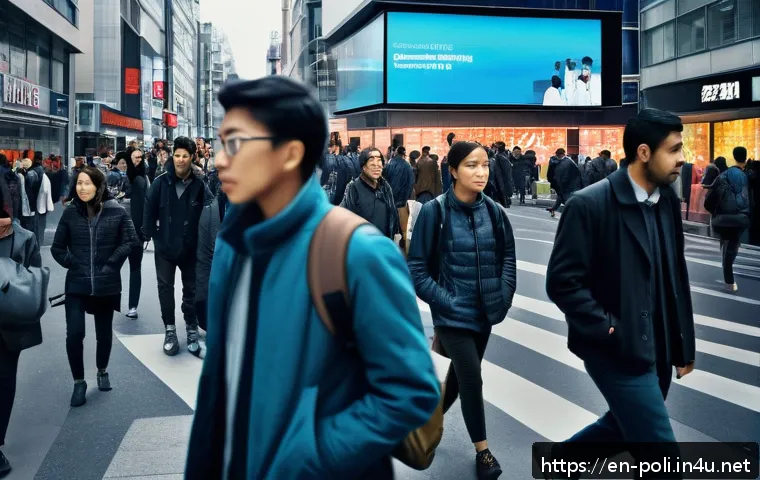
In today’s fast-evolving global landscape, understanding how capitalism and market economies drive growth is more important than ever. From the latest shifts in technology to changing consumer behaviors, these economic systems shape everything around us—our jobs, our choices, even our future.

I’ve noticed firsthand how market dynamics impact daily life, sparking both opportunities and challenges. Let’s dive into how these forces unlock prosperity and influence the world we live in, revealing insights that could change the way you see the economy—and your place within it.
Stick around, because the journey into capitalism’s real-world effects is just getting started.
How Innovation Sparks Economic Momentum
The Role of Technology in Shaping Markets
The rapid pace of technological advancement is arguably one of the most powerful engines driving economic activity today. From smartphones to artificial intelligence, new technologies continuously disrupt existing industries while creating entirely new ones.
When I observe the market shifts caused by these innovations, it’s clear that companies that adapt quickly tend to outpace their competitors. For instance, the rise of e-commerce giants reshaped retail by meeting consumer demand for convenience, transforming shopping habits globally.
These shifts don’t just affect businesses—they ripple into labor markets, changing the kinds of skills employers seek and how people work. It’s fascinating to see how a single breakthrough, like cloud computing, can unleash waves of productivity gains across diverse sectors.
Entrepreneurship as a Catalyst for Growth
Entrepreneurs act like the lifeblood of the economy, constantly experimenting and taking risks. I’ve personally seen how small startups, armed with fresh ideas and nimble operations, can challenge established players and energize entire ecosystems.
These ventures introduce competition that often leads to better products and services for consumers. Moreover, when startups scale successfully, they generate jobs and attract investment, creating a virtuous cycle of growth.
It’s not always a smooth ride—many face setbacks—but their resilience often pushes the boundaries of what’s possible. This dynamic environment keeps markets lively and responsive, preventing stagnation and encouraging continuous improvement.
Consumer Behavior and Market Adaptation
Consumers today are more informed and connected than ever before, which profoundly influences market trends. I’ve noticed that changes in consumer preferences often prompt businesses to innovate or pivot their strategies.
For example, the growing emphasis on sustainability has led many companies to adopt eco-friendly practices and products, reflecting a shift in values rather than just price competition.
This trend illustrates how markets are not just driven by supply and demand in a vacuum—they’re shaped by cultural and social currents as well. Understanding these nuances helps explain why some industries thrive while others falter, depending on how well they align with evolving consumer expectations.
Unpacking the Dynamics of Wealth Distribution
Income Inequality and Its Economic Impact
One of the more complex aspects of market economies is the uneven distribution of wealth and income. From my observations, while capitalism has undeniably created vast wealth, it has also led to significant disparities.
This inequality can have mixed effects on economic growth. On one hand, it can concentrate capital in the hands of those who invest and innovate, spurring further development.
On the other, excessive inequality may dampen overall demand since a large portion of the population struggles to access goods and services. Balancing these forces is a persistent challenge for policymakers, and it’s interesting to see how different countries approach this balance through taxation, social programs, or regulation.
Social Mobility and Opportunity Access
Market economies ideally offer pathways for individuals to improve their economic standing through hard work and innovation. However, my experience suggests that social mobility varies significantly depending on factors like education, geographic location, and social networks.
In some regions, opportunities are abundant, and people can climb the economic ladder relatively easily. In others, systemic barriers limit access, creating cycles of poverty that are hard to break.
These disparities highlight the importance of investing in education and infrastructure to ensure that markets function inclusively, allowing more people to contribute to and benefit from economic growth.
The Role of Government in Wealth Redistribution
Governments play a crucial role in moderating market outcomes, especially regarding wealth distribution. I’ve seen firsthand how policies such as progressive taxation, welfare programs, and public services can help reduce inequality and promote economic stability.
However, finding the right balance is tricky—too much intervention can stifle innovation and efficiency, while too little may exacerbate social tensions.
The debate over the extent and form of government involvement is ongoing, reflecting different societal values and economic philosophies. What’s clear is that well-designed policies can help create a more equitable environment without sacrificing the incentives that drive market economies.
Global Interactions and Market Integration
The Influence of International Trade
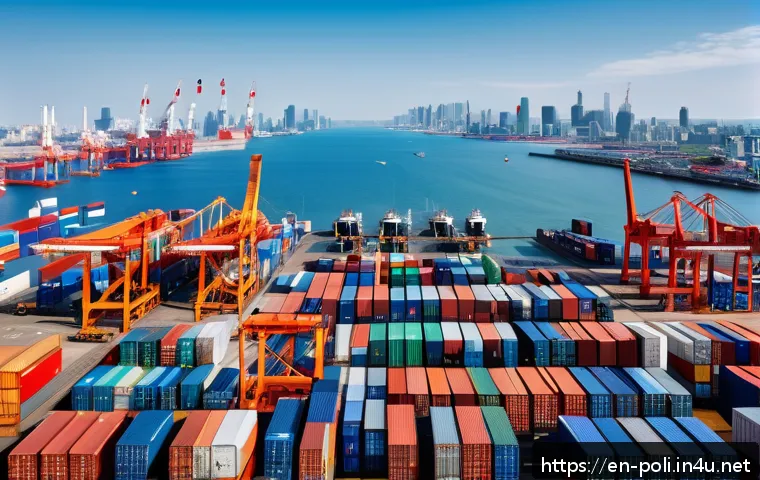
Global trade networks have expanded dramatically in recent decades, linking economies in unprecedented ways. From my perspective, this integration has brought remarkable benefits, such as access to diverse goods, larger markets for exporters, and the spread of technology.
However, it also exposes domestic industries to intense foreign competition, sometimes resulting in job losses in vulnerable sectors. The interplay between protectionism and free trade remains a hot topic, with countries constantly negotiating how to balance national interests with the benefits of openness.
Observing these trends offers insight into how interconnected and complex modern economies truly are.
Foreign Investment and Economic Development
Foreign direct investment (FDI) serves as a critical source of capital and expertise for many countries. I’ve witnessed how inflows of foreign investment can boost infrastructure, create jobs, and enhance productivity, especially in emerging markets.
Yet, it’s not without risks—dependence on external capital can create vulnerabilities, and the influence of multinational corporations sometimes raises concerns about local control and environmental standards.
Governments often craft policies to attract beneficial investments while safeguarding national interests. Understanding these dynamics is key to appreciating how global capital flows shape economic trajectories.
Currency Fluctuations and Market Stability
Exchange rates play a subtle but powerful role in international economic relations. I’ve observed how currency volatility can impact trade balances, inflation, and investment decisions.
For exporters, a weaker currency can be a boon, making goods cheaper abroad, while importers might face higher costs. Central banks often intervene to stabilize currencies, aiming to reduce uncertainty and promote steady growth.
These financial dynamics add another layer of complexity to market economies, demonstrating how monetary policy and global finance intertwine with real economic activity.
Labor Markets and Changing Employment Patterns
The Shift Toward Gig and Remote Work
The nature of work has transformed dramatically, especially with the rise of digital platforms and remote technologies. From my conversations with workers and employers alike, it’s clear that flexibility is now a defining feature of many jobs.
Gig work offers autonomy and diverse income streams but often lacks traditional benefits and security. Remote work, accelerated by the pandemic, has reshaped how companies recruit and retain talent, blurring geographic boundaries.
These shifts raise important questions about labor rights, productivity, and economic inclusion, making it essential to understand their long-term implications.
Skills Demand in a Rapidly Changing Economy
Technological progress continually redefines the skills employers seek. In my experience, workers who adapt by acquiring new skills or retraining can thrive, while others risk being left behind.
This reality places pressure on education systems and workforce development programs to stay relevant. The growing importance of digital literacy, problem-solving, and interpersonal skills highlights how markets reward adaptability.
Companies increasingly invest in continuous learning to remain competitive, reflecting a broader trend toward lifelong education as a cornerstone of economic success.
Wage Trends and Worker Bargaining Power
Wages are a central concern in any market economy, reflecting the balance between supply and demand for labor. I’ve noticed that while some sectors have seen wage growth due to shortages of skilled workers, others face stagnation or decline, especially in routine or low-skill jobs.
Union influence and labor laws also play significant roles in shaping bargaining power and income distribution. These factors contribute to broader economic patterns, influencing consumer spending and social stability.
Understanding wage dynamics helps explain the complex relationship between labor markets and overall economic health.
Financial Markets as Engines of Capital Allocation
Investment Strategies and Economic Growth
Financial markets channel savings into productive investments, fueling innovation and expansion. From my own observations, how investors allocate capital profoundly impacts which industries flourish.
For example, growing interest in green technologies reflects shifting priorities toward sustainability. However, markets can sometimes become speculative or detached from underlying economic fundamentals, leading to bubbles or crashes.
Navigating these risks requires savvy regulation and informed participation to ensure that financial markets support long-term economic vitality rather than short-term gains.
The Role of Banks and Credit Access
Banks and other financial institutions are vital for providing credit to businesses and individuals. In my experience, easy access to credit can stimulate entrepreneurship and consumption, driving growth.
Conversely, credit crunches or high interest rates can stifle economic activity. The challenge lies in balancing risk management with the need to finance innovation and expansion.
Financial inclusion initiatives, aimed at underserved populations, also play an important role by broadening participation in the economy and fostering equitable growth.
Market Volatility and Economic Uncertainty
Economic cycles and market fluctuations are inevitable features of capitalist systems. I’ve seen how volatility can create both risks and opportunities—some investors thrive by anticipating changes, while others suffer losses.
This uncertainty influences business decisions, consumer confidence, and government policies. Tools like derivatives, insurance, and diversification help manage risks, but no system is immune to shocks.
Understanding the causes and effects of market volatility is crucial for anyone navigating the economic landscape, whether as an entrepreneur, investor, or consumer.
Environmental Considerations in Economic Development
Balancing Growth with Sustainability
Economic expansion often comes with environmental costs, a reality that’s becoming increasingly hard to ignore. I’ve observed that markets are slowly adjusting to incorporate sustainability, with consumers and investors demanding greener practices.
Companies adopting circular economy models or reducing carbon footprints not only contribute to environmental preservation but often find new business opportunities.
This shift requires rethinking traditional growth paradigms and embracing innovation that aligns profitability with ecological responsibility.
The Rise of Green Finance
Green finance instruments, such as green bonds and sustainable investing funds, are gaining momentum as tools to support environmentally friendly projects.
From what I’ve seen, this emerging sector helps channel capital toward renewable energy, conservation, and climate resilience initiatives. It represents a promising intersection of finance and environmental stewardship, offering investors ways to make positive impacts while seeking returns.
The expansion of green finance also pressures companies to improve transparency and sustainability reporting, fostering accountability.
Regulatory Frameworks and Market Responses
Governments worldwide are increasingly implementing regulations to address environmental challenges, from emissions targets to resource management. These policies influence market behavior by creating incentives or penalties that shape corporate strategies.
I’ve noticed that firms proactive in compliance often gain competitive advantages, while laggards face risks of fines or reputational damage. The evolving regulatory landscape underscores the importance of agility and foresight in business planning, as environmental considerations become integral to economic success.
| Aspect | Positive Impact | Challenges |
|---|---|---|
| Technological Innovation | Drives productivity and creates new markets | Disrupts traditional jobs and industries |
| Wealth Distribution | Concentrates capital for investment | Leads to income inequality and social tension |
| Global Trade | Expands markets and access to goods | Exposes domestic sectors to competition |
| Labor Market Changes | Increases flexibility and skill development | Creates job insecurity and uneven wages |
| Financial Markets | Allocates capital efficiently | Subject to volatility and speculative risks |
| Environmental Integration | Promotes sustainable growth | Requires balancing regulation and profitability |
In Conclusion
Innovation drives the heartbeat of economic progress, influencing everything from market structures to labor dynamics. While challenges like inequality and market volatility persist, thoughtful adaptation and balanced policies can harness these forces for sustainable growth. Recognizing the interconnectedness of technology, finance, and global trade helps us better navigate the evolving economic landscape. Ultimately, embracing change with resilience and foresight is key to unlocking future opportunities.
Useful Information to Keep in Mind
1. Staying informed about technological trends is essential for businesses and workers to remain competitive in a fast-changing market.
2. Entrepreneurship fuels economic vitality by introducing fresh ideas and creating new jobs, but it requires resilience and support to thrive.
3. Understanding consumer values, such as sustainability, can guide companies in aligning products with market demands and social expectations.
4. Access to education and fair policies plays a crucial role in promoting social mobility and reducing economic disparities.
5. Monitoring global trade and financial markets helps anticipate risks and opportunities in an interconnected economy.
Key Takeaways
Economic momentum is a complex balance of innovation, wealth distribution, and global integration, each with its own benefits and challenges. Technology and entrepreneurship spark growth but require inclusive strategies to ensure broad participation. Governments and markets must work in harmony to promote stability without stifling creativity. Additionally, environmental considerations are becoming central to sustainable development, urging businesses to innovate responsibly. Understanding these dynamics equips individuals and organizations to better adapt and succeed in today’s evolving economy.
Frequently Asked Questions (FAQ) 📖
Q: How does capitalism contribute to economic growth in today’s world?
A: Capitalism drives economic growth primarily through competition and innovation. When businesses compete, they strive to improve products, reduce costs, and attract customers, which boosts productivity and efficiency.
From my experience observing tech startups, this environment encourages rapid advancements and creates new markets, ultimately leading to job creation and wealth generation.
However, it’s important to recognize that growth under capitalism isn’t always evenly distributed, which can lead to social challenges.
Q: What role do changing consumer behaviors play in shaping market economies?
A: Consumer behavior is a powerful force that influences how companies operate and evolve. For instance, I’ve noticed a growing demand for sustainable and ethically produced goods, which has pushed many businesses to adopt greener practices and transparency.
This shift not only impacts product development but also affects pricing, marketing strategies, and supply chains. As consumers become more informed and selective, market economies adapt by prioritizing innovation that aligns with these values, often leading to new opportunities for entrepreneurs.
Q: What are some challenges individuals face in a market-driven economy, and how can they navigate them?
A: One common challenge is job insecurity due to rapid technological changes and market fluctuations. I’ve seen friends and colleagues struggle when industries evolve quickly, making certain skills obsolete.
To navigate this, continuous learning and adaptability are key—investing in new skills or pivoting careers can help maintain relevance. Additionally, understanding economic trends and being proactive about financial planning can provide a safety net during uncertain times.
Embracing change rather than resisting it often leads to better personal and professional outcomes.