In today’s fast-paced political landscape, public opinion plays a more crucial role than ever in shaping how people engage with democracy. With social media amplifying voices and real-time events influencing perspectives, understanding this dynamic has never been more important.

Whether it’s a local election or a global movement, the way citizens perceive issues directly impacts their willingness to participate. I’ve noticed firsthand how shifts in public sentiment can spark waves of activism or voter turnout.
Let’s dive into how these opinions mold political involvement and what it means for the future of democratic societies.
How Digital Conversations Shape Our Views
The Ripple Effect of Online Discussions
When people share their opinions on social media, it’s not just about their own voice—it triggers a ripple effect that spreads far and wide. I’ve seen friends and even strangers change their minds after reading a compelling post or watching a live stream.
The immediacy of online conversations means opinions can shift quickly, sometimes within hours. This constant flow of ideas keeps political topics alive in everyday chats, turning passive observers into active participants.
It’s fascinating how a single tweet or Facebook comment can spark thousands of reactions and even influence real-world decisions.
Echo Chambers and Their Impact
One tricky part about digital debates is the echo chamber effect. People tend to follow and interact with others who share similar views, which can reinforce their beliefs and sometimes deepen divisions.
From my experience, this can create a bubble where alternative perspectives get drowned out, making it harder to understand opposing arguments. However, the good news is that some platforms now encourage diverse viewpoints through algorithm tweaks and community guidelines.
Recognizing when you’re in an echo chamber is the first step toward a more balanced political outlook.
The Role of Influencers and Viral Content
Influencers, whether celebrities, activists, or everyday users with large followings, play a massive role in shaping opinions. Their posts can go viral and bring attention to causes that might otherwise stay under the radar.
I’ve noticed that when someone I trust shares a political message, I’m more likely to look into it seriously, even if it challenges my usual stance. This power of viral content can mobilize communities quickly, creating momentum for petitions, protests, or voting drives.
But it also means we need to be critical consumers of information, checking facts before jumping on the bandwagon.
What Drives People to Take Action?
Emotional Connection to Issues
People don’t just vote or protest because they’re logically convinced—they’re driven by feelings. When an issue hits close to home, like healthcare or education, emotions like fear, hope, or anger can push someone to get involved.
I’ve seen neighbors who rarely follow politics suddenly attend town hall meetings because a new policy directly affected their family. This emotional engagement often translates into sustained activism rather than one-off participation.
Understanding what stirs people emotionally helps explain why some campaigns gain traction while others fall flat.
The Influence of Community and Peer Pressure
Humans are social creatures, and community norms heavily influence political behavior. If your friends, family, or coworkers are passionate about a cause, you’re more likely to join in.
I remember a time when a local environmental campaign gained momentum largely because of word-of-mouth within social circles. Peer pressure doesn’t always have a negative connotation; it can be a powerful motivator for positive civic engagement.
On the flip side, feeling isolated in your views might discourage participation, highlighting the importance of inclusive political spaces.
Accessibility and Convenience Matter
Sometimes, the reason people don’t participate is simply because it’s inconvenient or confusing. In my experience, making voting or activism accessible—like offering mail-in ballots or easy-to-navigate websites—dramatically increases involvement.
When barriers like long lines, complex registration, or lack of information exist, even motivated individuals might give up. Digital tools and apps that simplify these processes have become game-changers, helping to close the gap between interest and action.
The Power of Real-Time Events
How Breaking News Shifts Priorities
Sudden political events—like scandals, protests, or policy announcements—can change the public’s focus overnight. I recall how a major environmental disaster drew nationwide attention and quickly made climate change a top voting issue for many.
Real-time news coverage and live updates give people immediate access to unfolding stories, often sparking spontaneous engagement. This immediacy can be both a blessing and a curse, as it sometimes leads to reactionary decisions rather than thoughtful reflection.
Mobilizing Through Crisis
Crises often serve as catalysts for political involvement. When communities face emergencies, people tend to band together and demand action from leaders.
From personal experience volunteering after natural disasters, I’ve seen how these moments unite diverse groups and inspire new activists. Crises highlight gaps in governance and push citizens to hold officials accountable.
The momentum built during these times can lead to lasting changes if harnessed effectively.
The Role of Media in Shaping Narrative
The way media frames events heavily influences public opinion. Sensational headlines or biased reporting can skew perceptions and either motivate or discourage participation.
Personally, I’ve found that cross-checking multiple sources helps me form a more balanced view. Media literacy is crucial because it empowers people to sift through noise and focus on facts.
Responsible journalism can boost democratic engagement by providing clear, accurate information.
Generational Shifts in Political Engagement
Younger Voters and Digital Natives
Younger generations, who’ve grown up with smartphones and social media, engage politically in ways that older voters might find unfamiliar. From my observations, Gen Z and Millennials often prefer activism over traditional voting, organizing online campaigns or attending rallies.
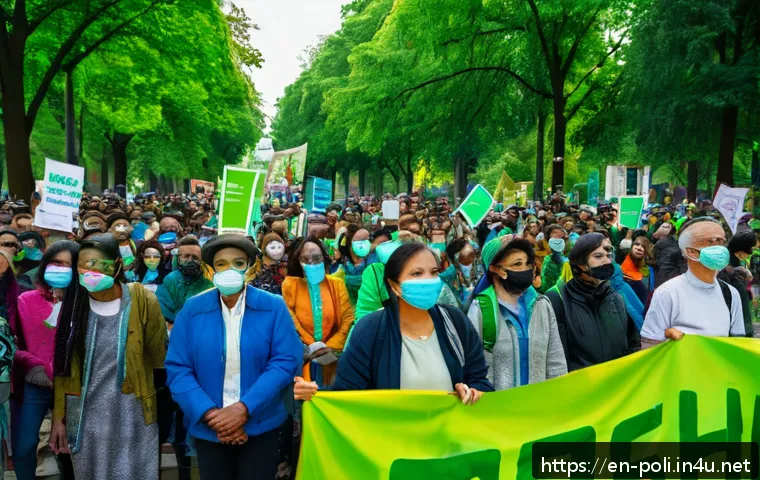
They value authenticity and tend to support candidates who address social justice and climate issues. This shift challenges political institutions to adapt and communicate differently to stay relevant.
Bridging the Generation Gap
Despite different approaches, intergenerational dialogue is key to a healthy democracy. I’ve witnessed community forums where young and older voters exchange ideas, learning from each other’s experiences.
Bridging this gap can reduce polarization and foster collaborative problem-solving. Encouraging mentorship and inclusive discussions helps blend fresh perspectives with historical wisdom.
The Future of Political Participation
Looking ahead, technology and cultural changes will continue to reshape how people engage with politics. I believe hybrid models combining online activism with offline participation will become standard.
Education systems that emphasize critical thinking and civic responsibility will prepare future voters to navigate complex political landscapes. Staying open to new ideas while honoring democratic principles is essential for progress.
Understanding the Impact of Political Messaging
The Art of Persuasion in Campaigns
Political campaigns invest heavily in crafting messages that resonate emotionally and intellectually. From my experience analyzing ads and speeches, the most effective ones tell stories that voters relate to personally.
Messaging that taps into shared values or addresses common concerns can sway undecided voters. However, oversimplification or fear-mongering can backfire, reducing trust in politicians.
Social Media Algorithms and Message Reach
How messages spread on social media depends on complex algorithms that prioritize engagement. I’ve noticed that posts with strong emotional content—whether positive or negative—tend to get more visibility.
This dynamic shapes the political conversation, sometimes amplifying extreme views. Understanding these mechanics helps activists and politicians optimize their outreach while encouraging users to be mindful of what they consume and share.
Fact-Checking and Combating Misinformation
Misinformation poses a serious challenge to informed political participation. In my own circle, I’ve seen how quickly false claims can spread and influence opinions.
Fact-checking organizations and platform policies play a vital role in curbing this trend. However, critical thinking and media literacy remain the best defenses.
Encouraging voters to verify information before reacting helps maintain a healthier political environment.
Measuring Political Engagement Beyond Voting
Community Involvement and Grassroots Movements
Voting is just one piece of the puzzle. Active involvement in community groups, attending town halls, or volunteering for campaigns all contribute to democratic health.
I’ve been part of local neighborhood initiatives that, while small, led to significant policy changes. These grassroots efforts often reflect the true pulse of public opinion and can be more impactful than election day turnout alone.
Online Petitions and Digital Advocacy
The rise of online petitions and digital advocacy platforms has lowered barriers to participation. Signing a petition or sharing a cause online can feel like small acts but collectively create substantial pressure on policymakers.
From my experience participating in digital campaigns, this form of engagement is accessible and can quickly mobilize large numbers. However, sustaining momentum requires follow-up actions and real-world commitments.
Tracking Engagement Through Data
Quantifying political participation helps organizations tailor outreach and measure impact. Metrics like voter turnout, event attendance, and social media interactions provide insights into engagement levels.
Below is a table summarizing common forms of political participation and their typical impact:
| Form of Participation | Typical Impact | Ease of Participation |
|---|---|---|
| Voting | Direct influence on election outcomes | Moderate (requires registration and time) |
| Attending Rallies | Raises awareness and media attention | Variable (depends on location and timing) |
| Online Petitions | Signals public support, influences policymakers | High (quick and accessible) |
| Volunteering | Supports campaign infrastructure and community efforts | Low to Moderate (time commitment varies) |
| Social Media Sharing | Amplifies messages and mobilizes networks | High (very easy) |
In Conclusion
Digital conversations have a profound impact on shaping political views and encouraging civic participation. From emotional connections to real-time events, many factors drive people to engage beyond just voting. Understanding these dynamics helps us navigate today’s fast-paced political landscape with more awareness and empathy. Staying informed and open-minded is key to meaningful involvement.
Helpful Insights to Remember
1. Emotional engagement often motivates sustained political action more than pure logic.
2. Social circles and peer influence play a crucial role in encouraging participation.
3. Accessibility improvements, like mail-in voting and easy-to-use digital tools, boost involvement.
4. Media literacy is essential to critically evaluate political messages and avoid misinformation.
5. Combining online activism with offline efforts creates a stronger impact in political movements.
Key Takeaways
Political engagement is multifaceted, extending well beyond just casting a vote. Digital platforms accelerate opinion formation but can also trap users in echo chambers. Emotional resonance and community support are powerful drivers of action, while accessibility remains a common barrier. Real-time events and media framing shape public priorities, making critical thinking and diverse dialogue more important than ever. Ultimately, fostering inclusive spaces and promoting media literacy will strengthen democratic participation for all generations.
Frequently Asked Questions (FAQ) 📖
Q: uestionsQ1: How does public opinion influence voter turnout in elections?
A: Public opinion significantly affects voter turnout because when people feel strongly about an issue or candidate, they’re more motivated to vote. For example, during heated debates on healthcare or climate change, citizens often become more engaged and show up at the polls.
Conversely, if the public perceives the political process as unresponsive or irrelevant, turnout can drop. From my own observations, shifts in public sentiment can create a ripple effect—sparking grassroots campaigns or social media movements that boost participation.
Q: In what ways does social media change the way people engage with politics?
A: Social media has transformed political engagement by making information instantly accessible and allowing real-time conversations. It empowers individuals to share opinions, organize events, and mobilize supporters quickly.
However, it also means misinformation can spread fast, influencing public opinion in unpredictable ways. I’ve seen how a single viral post can trigger widespread activism, but also how echo chambers sometimes limit exposure to diverse perspectives, affecting the quality of democratic dialogue.
Q: What does the growing impact of public opinion mean for the future of democracy?
A: The increasing power of public opinion means democracy is becoming more participatory but also more complex. On one hand, it allows citizens to hold leaders accountable and push for change more effectively.
On the other, it challenges institutions to respond swiftly and transparently to evolving demands. In my experience, this dynamic pushes democracies to be more adaptive but also highlights the need for media literacy and critical thinking among voters to navigate the fast-moving political landscape.