In a world where debates about freedom and individual rights dominate headlines, understanding the roots of modern liberalism has never been more crucial.
John Locke’s revolutionary ideas laid the foundation for the principles we often take for granted—personal liberty, government accountability, and natural rights.
As societies grapple with balancing security and freedom, Locke’s philosophy offers timeless insights that continue to influence legal systems and political thought.
Join me as we explore how his vision unlocked the door to the liberties we cherish today and why it remains relevant in shaping our future. This journey through history promises not just knowledge but a fresh perspective on the freedoms we enjoy every day.
The Evolution of Individual Rights Through History
From Feudal Obligations to Personal Freedoms
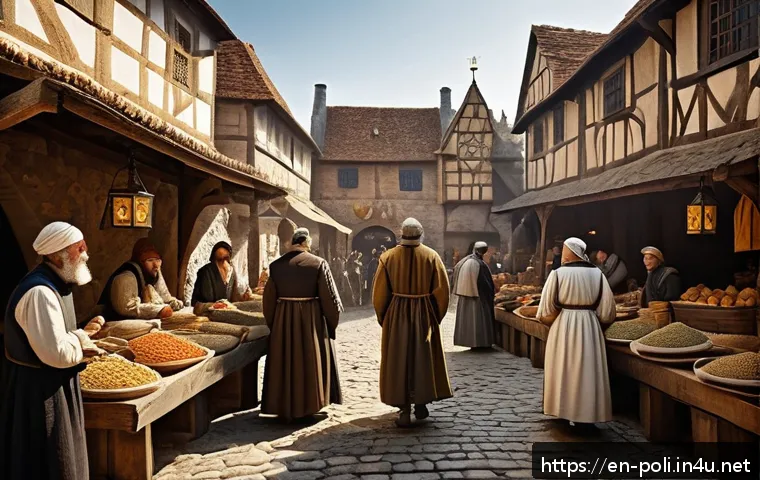
The journey toward individual rights as we understand them today is far from straightforward. Back in medieval times, people’s lives were tightly bound to the social hierarchy — kings, nobles, and serfs each had clearly defined roles, and personal freedom was a luxury few could claim.
It wasn’t until thinkers began challenging these entrenched systems that the idea of inherent personal rights started to take root. This gradual shift marked a move away from duties imposed by birth or status toward recognizing the individual as a bearer of rights simply by virtue of being human.
This transition set the stage for more radical ideas about liberty and governance, which would later influence revolutionary movements across the globe.
The Rise of Natural Rights Philosophy
One of the most pivotal shifts came with the emergence of natural rights theory, which posited that certain rights are innate and universal, not granted by monarchs or governments.
This concept was revolutionary because it challenged the divine right of kings and asserted that individuals possess rights inherently. Philosophers argued that these natural rights must be respected and protected by governments, fundamentally changing the relationship between rulers and the ruled.
This philosophical framework directly influenced major documents like the English Bill of Rights and, later, the American Declaration of Independence, embedding the idea that freedom and equality are not privileges but fundamental entitlements.
How These Ideas Influenced Modern Legal Systems
The impact of natural rights theory is evident in modern constitutions and legal frameworks worldwide. Many democratic systems incorporate the idea that governments exist to safeguard individual freedoms and that any infringement on these rights must be justified and limited.
This principle is foundational to constitutional law and judicial review processes, ensuring that state power remains checked and balanced. The ripple effects can be seen in civil rights movements, human rights conventions, and ongoing debates about privacy, free speech, and due process.
Understanding this historical evolution helps us appreciate how contemporary legal protections are rooted in centuries of philosophical and political struggle.
Balancing State Power and Personal Liberty
The Social Contract and Mutual Obligations
The concept of a social contract plays a crucial role in balancing individual freedoms with the need for order and security. This idea suggests that people consent, either explicitly or implicitly, to surrender some freedoms in exchange for protection and the benefits of living in a stable society.
The tricky part is defining where that line should be drawn—how much liberty can one give up before the state becomes oppressive? Over time, this balancing act has been at the heart of political debates, shaping everything from criminal justice policies to national security measures.
The ongoing challenge is to ensure that governments remain accountable without undermining the very freedoms they are meant to protect.
Checks and Balances as a Safeguard
One of the most effective tools developed to maintain this balance is the system of checks and balances within government institutions. By dividing power among legislative, executive, and judicial branches, no single entity can wield unchecked authority.
This structure forces cooperation and oversight, reducing the risk of tyranny. It also empowers citizens through elected representatives and legal recourse, reinforcing the principle that government derives its legitimacy from the governed.
The success of this system, however, depends on active civic engagement and respect for democratic norms, underscoring the ongoing responsibility of both leaders and the public.
Contemporary Challenges in Freedom vs. Security
In today’s world, the tension between security concerns and protecting freedoms is more pronounced than ever. Issues like surveillance, counterterrorism laws, and digital privacy raise difficult questions about how much liberty citizens are willing to sacrifice for safety.
The rise of technology complicates this balance, as governments gain unprecedented abilities to monitor and control information. Navigating these challenges requires a nuanced understanding of both the philosophical foundations of freedom and the practical realities of governance.
Striking the right balance is essential to preserving democratic values without compromising public safety.
The Role of Government Accountability in Protecting Liberties
Transparency as a Pillar of Trust
Government accountability is vital for ensuring that power is exercised responsibly and that citizens’ rights are respected. Transparency mechanisms—such as open records laws, independent audits, and public reporting—allow people to see how decisions are made and resources allocated.
When governments operate in the open, it becomes harder to abuse power or engage in corruption. This openness fosters trust between the state and its citizens, which is crucial for social cohesion and political stability.
Without accountability, freedoms risk erosion as unchecked authority often leads to arbitrary or unjust actions.
Legal Recourse and Citizen Participation
Access to justice and the ability to challenge government actions form a critical part of accountability. Courts, ombudsmen, and human rights commissions serve as watchdogs that hold officials responsible when they violate laws or infringe upon liberties.
Beyond legal channels, active citizen participation—through voting, protests, and advocacy—ensures that governments remain responsive to the people’s will.
This dynamic relationship between rulers and the ruled strengthens democratic governance and keeps the promise of freedom alive. Real-life examples show how grassroots movements and legal battles have successfully pushed back against authoritarian tendencies.
Accountability in the Digital Age
With the explosion of digital communication, holding governments accountable has taken on new dimensions. Social media platforms and online news outlets provide tools for rapid information sharing and mobilization, empowering citizens like never before.
However, this environment also presents challenges, such as misinformation, censorship, and surveillance. Governments must balance the need to regulate harmful content with protecting free expression, while citizens must navigate complex media landscapes critically.
The evolving nature of accountability demands innovative approaches that leverage technology without sacrificing fundamental rights.
Philosophy’s Enduring Influence on Modern Politics
Foundations for Democratic Ideals
The philosophical underpinnings laid down centuries ago continue to resonate in contemporary political thought. Ideas about individual autonomy, equality before the law, and the social contract remain central to democratic systems worldwide.
Politicians, judges, and activists often invoke these principles to justify reforms and protect civil liberties. The enduring power of this philosophy lies in its adaptability—it provides a framework that can be applied to diverse cultures and challenges, inspiring movements for justice and human rights across continents.
Shaping International Human Rights Norms
Beyond national borders, the legacy of these ideas has influenced the development of international human rights standards. Treaties and organizations dedicated to protecting freedoms draw heavily on concepts like natural rights and government accountability.
This global consensus reinforces the idea that liberty is a universal value, transcending cultural and political differences. While enforcement remains uneven, the existence of these norms provides a common language for addressing abuses and advancing freedom worldwide.
Ongoing Debates and Interpretations
Philosophy does not provide all the answers, and interpretations of freedom vary widely. Debates continue about the scope of rights, the role of government, and the balance between individual and collective interests.
These discussions are vital, reflecting a living tradition of inquiry and adaptation. Engaging with these debates helps us appreciate the complexity of liberty and encourages us to remain vigilant in defending it.
It reminds us that freedom is not static but an evolving ideal that requires constant nurturing and reflection.
How Historical Ideas Translate Into Daily Life
Everyday Liberties We Often Overlook
Many of the freedoms we enjoy daily—like freedom of speech, privacy, and the right to vote—are direct descendants of centuries-old philosophical battles.
Yet, it’s easy to take them for granted until they are threatened. For instance, the ability to express opinions openly or participate in elections is something that millions worldwide still fight for.
Recognizing the origins of these liberties deepens our appreciation and motivates us to protect them actively. It also highlights the importance of civic education in empowering individuals to understand and exercise their rights fully.
Personal Responsibility in Preserving Freedom
Freedom is a two-way street; it comes with responsibilities. Respecting others’ rights, engaging in the political process, and staying informed are essential to maintaining a free society.
When citizens neglect these duties, freedoms can erode silently. My own experience in community activism has shown me that small, consistent actions—like voting, attending town meetings, or simply staying aware—collectively strengthen democratic institutions.
It’s not just about demanding rights but also about contributing to the social fabric that upholds them.
The Role of Education in Fostering Liberty
Education plays a pivotal role in sustaining freedom by cultivating critical thinking, empathy, and awareness of rights. Teaching history, philosophy, and civics equips individuals with the tools to understand and navigate complex political landscapes.
It also empowers marginalized groups to claim their rights and participate meaningfully in society. From personal observation, schools that emphasize these subjects tend to produce citizens who are more engaged and committed to democratic values.
Investing in education is therefore an investment in the future of freedom itself.
Key Concepts of Early Liberal Thought Compared
| Concept | Traditional View | Early Liberal Interpretation | Modern Impact |
|---|---|---|---|
| Natural Rights | Rights granted by monarchs or tradition | Inherent and universal rights belonging to every individual | Basis for constitutional protections and human rights laws |
| Social Contract | Obedience to ruler as a divine or hereditary duty | Agreement between people and government to protect mutual interests | Foundation for democratic governance and legitimacy |
| Government Accountability | Limited or no mechanisms for checking rulers | Governments must be answerable to the people and laws | Checks and balances, judicial review, transparency measures |
| Freedom of Expression | Often suppressed or controlled by authorities | Essential right for individual autonomy and societal progress | Protected in constitutions and international human rights frameworks |
The Lasting Impact on Modern Civil Liberties
Freedom of Speech and Its Complexities
Freedom of speech remains a cornerstone of liberal democracies, yet it is far from absolute. The challenge lies in protecting this right while addressing hate speech, misinformation, and threats to public order.
Locke’s emphasis on reason and dialogue as means to resolve disputes informs modern debates about how to balance free expression with social responsibility.
From my experience attending public forums and debates, it’s clear that open conversation fosters understanding but requires mutual respect and clear boundaries to be effective.
Property Rights and Economic Freedom
Locke’s theory famously linked property rights to labor and individual effort, shaping modern views on economic freedom. The idea that people have the right to own and control their possessions underpins capitalist economies and personal autonomy.
However, this also raises questions about wealth distribution and social justice, which continue to be hotly contested. Observing contemporary policy discussions, it’s evident that striking a fair balance between protecting property and ensuring equitable opportunity is crucial for social stability and liberty.
Religious Tolerance and Pluralism
Early liberal thought also championed religious tolerance as part of respecting individual conscience. This principle laid the groundwork for secular governance and freedom of religion.
In diverse societies today, maintaining this tolerance is essential to peaceful coexistence and democratic participation. My visits to multicultural communities have shown me that embracing pluralism enriches social life and strengthens democratic values by encouraging dialogue and mutual understanding.
Why These Ideas Still Matter Today
Adapting Principles to New Challenges
While the core ideas originated centuries ago, their relevance is undiminished because societies continuously face new dilemmas. Whether it’s digital privacy, climate justice, or global migration, the principles of liberty, equality, and accountability provide a compass for navigating these issues.
They remind us that freedom is not static but must evolve alongside technological and social change. This adaptability is why revisiting foundational philosophies is not just academic but vital for contemporary policymaking.
Empowering Citizens in a Globalized World
In an interconnected world, understanding these ideas helps citizens engage beyond national borders. Human rights movements, international courts, and global advocacy networks draw on liberal principles to challenge abuses and promote justice.
For individuals, this means that defending freedom locally contributes to a broader global struggle. My participation in online communities focused on human rights has shown me how shared values can unite diverse people in pursuit of common goals.
Inspiring Future Generations to Value Freedom
Finally, the legacy of these ideas inspires ongoing efforts to educate and empower future generations. By teaching young people about the history and importance of liberty, we cultivate a culture that values and defends democratic ideals.
This is essential because each generation faces its own threats and must renew the commitment to freedom. Encouraging curiosity and critical thinking ensures that the torch of liberty continues to burn brightly, guiding societies toward justice and dignity.
In Conclusion
The evolution of individual rights reflects a long, complex journey from rigid social hierarchies to the recognition of personal freedoms. These ideas have shaped modern democracies and continue to influence how we balance liberty and security today. Understanding this history empowers us to protect and advance our rights in an ever-changing world.
Useful Information to Keep in Mind
1. Individual rights developed gradually through philosophical challenges to traditional authority, emphasizing inherent human dignity.
2. The social contract concept highlights the balance between personal freedom and societal order, a debate that remains relevant.
3. Government accountability and transparency are essential for protecting civil liberties and preventing abuse of power.
4. Education fosters awareness and responsibility, enabling citizens to actively participate in preserving freedom.
5. Modern challenges like digital privacy require adapting foundational principles to new contexts while safeguarding democratic values.
Key Takeaways
The historical progression of individual rights is foundational to contemporary legal and political systems, emphasizing that freedoms are not privileges but universal entitlements. Balancing state authority with personal liberty requires constant vigilance, transparent governance, and active civic engagement. Education and ongoing dialogue are crucial in nurturing these values amid evolving social and technological landscapes, ensuring that liberty remains a living, dynamic ideal.
Frequently Asked Questions (FAQ) 📖
Q: uestionsQ1: How did John Locke’s ideas influence modern concepts of personal liberty?
A: John Locke fundamentally shifted the way we think about personal liberty by arguing that individuals possess natural rights simply by virtue of being human.
His belief that life, liberty, and property are inalienable rights challenged the traditional view that rulers had absolute power. This philosophy laid the groundwork for modern democracies, where governments exist to protect these freedoms rather than restrict them.
From my experience, recognizing this shift helps us appreciate why personal liberty is central to current legal and political systems.
Q: Why is government accountability a key theme in Locke’s philosophy?
A: Locke insisted that governments derive their authority from the consent of the governed and must be held accountable to the people. He argued that if a government fails to protect citizens’ natural rights or becomes tyrannical, the people have the right to overthrow it.
This concept introduced the idea of checks and balances and inspired constitutional frameworks worldwide. In practical terms, this principle ensures that power is not concentrated in the hands of a few, promoting transparency and justice.
Q: In today’s context, how does Locke’s philosophy help balance security and freedom?
A: Locke’s ideas remain relevant as societies navigate the delicate balance between ensuring security and preserving individual freedoms. He acknowledged the need for government to protect citizens but emphasized that this should never come at the expense of fundamental rights.
Reflecting on recent events, I’ve seen how debates about surveillance, public safety, and privacy echo Locke’s insistence that freedom should not be sacrificed lightly.
His philosophy encourages ongoing dialogue to maintain both security and liberty in a healthy democracy.