In a world marked by rapid change and uncertainty, understanding the key political challenges shaping our future has never been more crucial. From rising geopolitical tensions to the urgent need for global cooperation on climate change, these issues impact every aspect of our lives.
As we navigate through complex international dynamics, staying informed helps us make sense of the forces driving tomorrow’s world. Join me as we explore the critical challenges that will define the 21st century and what they mean for us all.
Together, we can uncover insights that not only inform but empower us to engage with the future more confidently.
Shifting Power Dynamics in Global Politics
Emerging Multipolarity and Its Impact
The once-unipolar world dominated by a single superpower is gradually giving way to a more complex multipolar order. Countries like China, India, and the European Union are asserting greater influence, challenging traditional power hierarchies.
This shift doesn’t just alter diplomatic relationships but also reshapes economic alliances and security arrangements. In practice, it means the global stage is no longer dominated by one clear leader, making international cooperation both more necessary and more complicated.
I’ve noticed this firsthand when following recent trade negotiations and security summits, where the balance of power clearly affects outcomes and strategies.
Regional Conflicts and Their Global Ripple Effects
Local disputes in regions such as the Middle East, Eastern Europe, and the South China Sea no longer remain isolated. Instead, they spark far-reaching consequences, pulling in global powers and alliances.
These conflicts often serve as proxy battlegrounds for larger geopolitical contests, which complicates resolution efforts. For everyday people like us, it means volatility in global markets and increased uncertainty about international peace.
From watching news coverage and expert analyses, it’s clear that understanding these regional tensions helps us grasp the bigger picture of global stability.
The Role of International Institutions Amid Change
Institutions like the United Nations, NATO, and the World Trade Organization face unprecedented challenges in adapting to this evolving landscape. Their ability to mediate disputes, enforce agreements, and foster collaboration is tested by the diverging interests of rising powers.
From my observations, these organizations often struggle to keep pace with fast-moving crises, yet they remain essential platforms for dialogue. Their future effectiveness will depend heavily on reforms and the willingness of member states to prioritize collective goals over national interests.
Climate Crisis and Political Will
Global Commitments vs. National Realities
Despite landmark agreements like the Paris Accord, there remains a significant gap between international climate commitments and actual policy implementation at the national level.
Many countries face political resistance, economic pressures, or social challenges that slow progress. Having tracked various climate summits and national policy debates, I’ve seen how competing priorities often dilute the urgency that global leaders express publicly.
This disconnect fuels skepticism and hampers coordinated action to address climate change effectively.
Climate Migration and Security Concerns
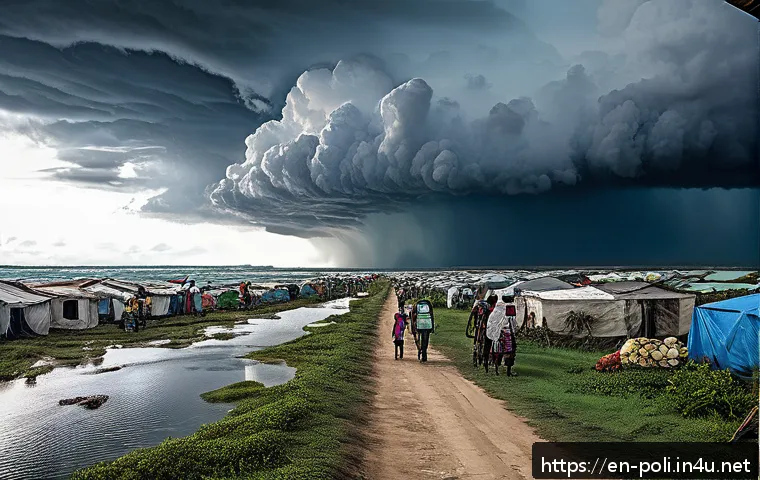
Rising sea levels, extreme weather, and resource scarcity are forcing populations to migrate, creating new challenges for host nations and regional stability.
These movements often exacerbate existing social tensions and can trigger political instability. Through personal stories and humanitarian reports, it becomes clear that climate migration is more than an environmental issue—it’s a profound political and security concern that demands urgent attention.
Governments that ignore this emerging reality risk facing sudden crises that are difficult to manage.
Innovations Driving Climate Diplomacy
On a more hopeful note, advances in clean energy technologies and sustainable practices are reshaping diplomatic agendas. Countries increasingly see climate innovation as a competitive edge and a path toward economic transformation.
From attending conferences and reading firsthand accounts, I’ve realized how these developments create new opportunities for cooperation and growth, even amid geopolitical rivalry.
This blend of competition and collaboration might be key to unlocking more ambitious climate action globally.
Technology and Governance in the Digital Age
Cybersecurity as a National Priority
The rise of cyber threats—from state-sponsored attacks to ransomware—has elevated cybersecurity to the forefront of national security strategies. Governments are investing heavily in defensive and offensive cyber capabilities, often in secretive ways.
Following cybersecurity incidents and government responses, it’s evident that digital defense is no longer optional but central to maintaining sovereignty and protecting critical infrastructure.
This arms race in cyberspace adds a new layer of complexity to international relations.
The Challenge of Regulating Big Tech Globally
Tech giants wield enormous influence over information, economies, and social interactions, raising difficult questions about regulation and accountability.
Different countries pursue diverse approaches, leading to a fragmented global digital landscape. From my experience monitoring policy debates, it’s clear that striking a balance between innovation, privacy, and competition remains elusive.
The outcome will shape not only economic power but also democratic governance and freedom of expression worldwide.
Artificial Intelligence and Ethical Governance
AI technologies bring transformative potential but also ethical dilemmas around bias, surveillance, and autonomy. Governments and international bodies are grappling with how to create frameworks that encourage innovation while protecting human rights.
Observing ongoing discussions and pilot projects, I’ve found that transparency and inclusive policymaking are crucial for building public trust. The future of AI governance will likely hinge on how well stakeholders collaborate across borders to establish shared norms.
Economic Interdependence and Trade Challenges
Supply Chain Vulnerabilities Exposed
The COVID-19 pandemic starkly revealed how fragile global supply chains can be, prompting countries to rethink dependencies on foreign manufacturing and critical materials.
This reassessment leads to a push for diversification and reshoring, but also risks fragmenting the interconnected economic system. From conversations with industry experts, it’s clear that balancing resilience and efficiency remains a major challenge for policymakers and businesses alike, influencing everything from consumer prices to international relations.
Trade Wars and Protectionism Trends
Rising protectionist measures and tariffs between major economies have disrupted established trade flows and increased uncertainty. These tensions often stem from concerns over unfair practices, national security, or political leverage.
Based on my observations of trade negotiations and market reactions, such conflicts can have unintended consequences, including slowing global growth and straining alliances.
Navigating this landscape requires careful diplomacy and strategic economic planning.
The Role of Emerging Markets
Emerging economies in Africa, Southeast Asia, and Latin America are becoming significant players in global trade and investment. Their growing consumer bases and resource wealth attract multinational corporations and reshape trade patterns.
I’ve noticed that these markets bring both opportunities and challenges, such as governance issues and infrastructure needs, which influence their integration into the global economy.
Understanding their trajectory is essential for anticipating future economic shifts.
Democracy, Authoritarianism, and Political Polarization
Democracy Under Pressure Worldwide
Recent years have seen a worrying trend of democratic backsliding, with increased restrictions on free press, civil liberties, and electoral fairness in multiple countries.
This erosion challenges the foundations of liberal democracies and raises questions about the resilience of democratic institutions. From engaging with political analysts and activists, I’ve learned that defending democracy requires vigilance, innovation in civic engagement, and international support.
The Appeal and Risks of Authoritarian Models
Some authoritarian regimes promote themselves as more efficient or stable alternatives, leveraging nationalism and economic growth narratives. This appeal can undermine democratic norms and international cooperation.
Observing these regimes’ strategies, it’s apparent they often use sophisticated propaganda and control mechanisms to maintain power. The risk is that such models may embolden similar tendencies elsewhere, complicating global governance.
Polarization and Its Impact on Governance
Increasing political polarization within countries hampers consensus-building and effective policymaking. Divisions fueled by identity politics, misinformation, and social media make it difficult to address shared challenges.
From personal experience in civic discussions, I’ve seen how polarization creates gridlock and erodes trust in institutions. Addressing this requires efforts to promote dialogue, media literacy, and inclusive political processes.
Human Rights and Global Justice Movements
Expanding the Scope of Human Rights
Contemporary human rights debates now encompass issues such as digital privacy, environmental justice, and indigenous rights, reflecting evolving societal values.
This broadening makes advocacy more complex but also more relevant to diverse populations. Following global campaigns and grassroots movements, I’ve witnessed how these issues intersect and amplify one another, demanding multifaceted approaches.
Challenges in Enforcement and Accountability
Despite international treaties and courts, holding perpetrators accountable for human rights violations remains inconsistent and politically fraught. Powerful states often evade scrutiny, undermining justice efforts.
From monitoring high-profile cases and UN proceedings, it’s clear that strengthening mechanisms and political will are essential for meaningful progress.
Grassroots Movements Driving Change
Local and transnational social movements increasingly influence global agendas, from climate justice to racial equality. Their ability to mobilize public opinion and pressure governments is reshaping political discourse.
Through engagement with activists and media coverage, I’ve seen how these movements harness technology and community organizing to overcome traditional barriers, offering hope for more inclusive governance.
| Global Political Challenge | Key Features | Impact on Society |
|---|---|---|
| Shifting Power Dynamics | Multipolarity, regional conflicts, institutional adaptation | Complex alliances, increased uncertainty, need for cooperation |
| Climate Crisis | Policy gaps, migration, technological innovation | Environmental risks, security challenges, new diplomatic opportunities |
| Technology and Governance | Cybersecurity, regulation of big tech, AI ethics | National security, digital freedom, ethical dilemmas |
| Economic Interdependence | Supply chain fragility, protectionism, emerging markets | Market volatility, trade tensions, growth prospects |
| Democracy and Polarization | Democratic erosion, authoritarian appeal, political divides | Governance challenges, social fragmentation, institutional trust |
| Human Rights Movements | Expanded rights scope, enforcement issues, grassroots activism | Justice struggles, advocacy impact, global awareness |
In Conclusion
The evolving landscape of global politics demands our close attention and understanding. As power dynamics shift, climate challenges grow, and technology reshapes governance, the complexity of international relations deepens. Staying informed and engaged is essential to navigate these changes effectively. Our collective future depends on cooperation, innovation, and a commitment to shared values.
Useful Information to Know
1. Multipolarity means no single nation dominates, requiring more diplomacy and collaboration across borders.
2. Climate migration is becoming a critical issue, affecting security and social stability worldwide.
3. Cybersecurity is now a core component of national defense strategies due to increasing digital threats.
4. Supply chain vulnerabilities highlight the importance of balancing economic efficiency with resilience.
5. Political polarization challenges governance, making dialogue and media literacy more important than ever.
Key Takeaways
Global politics is marked by shifting power centers and growing complexity, demanding adaptive strategies from nations and institutions. Climate change is no longer just an environmental issue but a driver of migration and security concerns. Technological advancements bring both opportunities and ethical questions that require transparent governance. Economic interdependence faces tests from protectionism and supply chain fragility, while democratic values are challenged by rising authoritarianism and polarization. Lastly, human rights advocacy continues to evolve, propelled by grassroots movements that push for justice and inclusion on a global scale.
Frequently Asked Questions (FAQ) 📖
Q: uestionsQ1: What are the biggest political challenges facing the world today?
A: The most pressing political challenges today include escalating geopolitical tensions between major powers, the rise of nationalism and populism disrupting global cooperation, and the urgent need to address climate change collectively.
These issues are intertwined and affect economic stability, security, and social cohesion worldwide. From my observation, the challenge lies not just in these problems themselves, but in how governments and societies choose to respond—whether they seek collaboration or retreat into isolation.
Q: How does global cooperation influence the future of climate change policies?
A: Global cooperation is absolutely essential when it comes to climate change because this crisis transcends borders. No single country can tackle it alone.
Effective collaboration leads to shared technologies, funding for sustainable development, and coordinated policy frameworks that can drive real progress.
In my experience following international climate summits, the most successful outcomes happen when nations prioritize collective goals over short-term national interests, though this is often easier said than done.
Q: How can individuals stay informed and engage with complex international political issues?
A: Staying informed requires actively seeking out diverse, reliable news sources and engaging with expert analysis rather than just headlines. I’ve found that following think tanks, attending public talks, and participating in community discussions helps deepen understanding.
More importantly, engaging means taking small actions—whether voting thoughtfully, supporting advocacy groups, or simply discussing these topics with friends.
This personal involvement makes the overwhelming complexity feel more manageable and meaningful.