As healthcare systems worldwide grapple with unprecedented challenges, emerging health policies are stepping into the spotlight like never before. From pandemic preparedness to equitable access, these policies are not only responding to current crises but also redefining the future landscape of global health.

If you’ve ever wondered how government decisions today will shape medical care tomorrow, you’re in the right place. Let’s dive into the transformative trends that are reshaping healthcare on a global scale—because understanding these shifts is key to staying informed and empowered in an ever-evolving world.
Revolutionizing Healthcare Delivery Through Digital Innovation
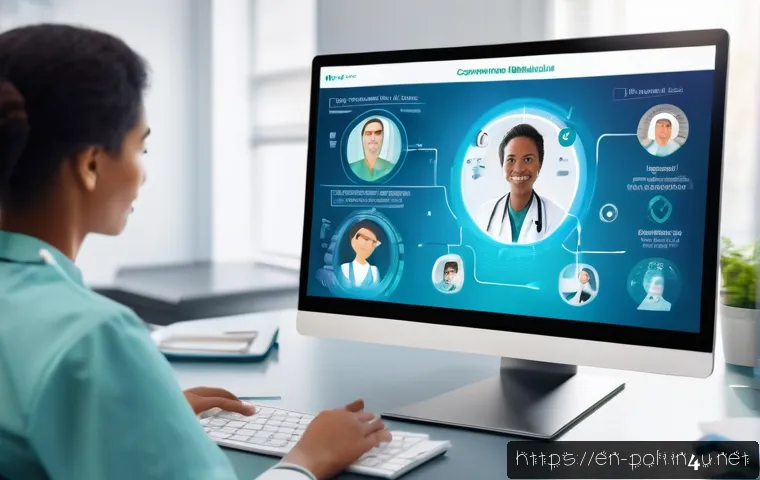
Telemedicine’s Expanding Role in Patient Care
The rapid expansion of telemedicine has dramatically altered how patients and providers interact, especially in rural or underserved areas. From my own experience scheduling virtual consultations, I noticed how much more convenient it is to avoid travel and long waiting times.
Telehealth platforms have evolved beyond simple video calls to include remote patient monitoring, AI-driven symptom checkers, and integrated electronic health records, which streamline care coordination.
This shift is not just a temporary fix during crises but a foundational change that enhances accessibility and efficiency in healthcare delivery globally.
Artificial Intelligence Transforming Diagnostics and Treatment
Artificial intelligence (AI) is no longer a futuristic concept but an active player in diagnostics and treatment planning. AI algorithms analyze vast datasets to detect patterns invisible to the human eye, leading to earlier and more accurate diagnoses.
For instance, AI-assisted imaging can identify subtle changes in medical scans that might be missed by radiologists. In my observation, hospitals incorporating AI tools report reduced diagnostic errors and faster turnaround times, which ultimately improve patient outcomes.
This technology also personalizes treatment by predicting patient responses to therapies, enabling tailored healthcare strategies.
Interoperability: Breaking Down Data Silos
One of the biggest challenges in modern healthcare is the fragmentation of patient information across multiple systems. Interoperability initiatives aim to create seamless data exchange between providers, pharmacies, labs, and insurers.
This integration reduces redundant tests, cuts costs, and prevents medical errors. From what I’ve seen, health systems investing in interoperable platforms experience smoother workflows and better communication among care teams, which benefits patients directly.
As policies increasingly mandate data-sharing standards, we can expect more cohesive and efficient healthcare ecosystems.
Empowering Communities with Preventive and Inclusive Strategies
Focus on Social Determinants of Health
Health outcomes are profoundly influenced by factors beyond clinical care, including socioeconomic status, education, and environment. Modern health strategies increasingly address these social determinants by integrating community resources and public health initiatives.
For example, programs that provide nutrition support or safe housing have shown measurable improvements in chronic disease management. Personally, I’ve witnessed community health workers bridging gaps between hospitals and vulnerable populations, which builds trust and promotes healthier behaviors.
Expanding Access Through Universal Coverage Models
Countries adopting universal health coverage (UHC) frameworks demonstrate a commitment to equitable healthcare access regardless of income or employment status.
UHC schemes reduce financial barriers to essential services, preventing individuals from delaying care due to cost concerns. In places where UHC is well-established, like parts of Europe and Asia, there is a noticeable reduction in health disparities.
From what I understand, ongoing policy reforms aim to refine these models to balance sustainability with comprehensive coverage, ensuring no one is left behind.
Community Engagement and Health Literacy
Effective health policies recognize that empowered patients are central to successful care. Efforts to improve health literacy help people make informed decisions, adhere to treatments, and engage in preventive behaviors.
For instance, multilingual educational campaigns and culturally sensitive materials increase participation in vaccination programs and screenings. I’ve noticed that when communities feel involved in their health planning, trust in healthcare systems grows, which is critical during public health emergencies.
Building Resilience: Preparing for Future Health Crises
Strengthening Pandemic Preparedness Infrastructure
The COVID-19 pandemic exposed weaknesses in global health security, prompting renewed investments in surveillance, testing capacity, and supply chain resilience.
Countries are now prioritizing stockpiles of essential equipment and rapid response teams. Through firsthand observation of local health drills and emergency simulations, it’s clear that preparedness is becoming more systematic and collaborative.
These efforts aim to minimize disruption and save lives in future outbreaks.
Global Collaboration and Information Sharing
International cooperation plays a crucial role in managing transboundary health threats. Platforms that facilitate real-time data sharing and joint research accelerate vaccine development and containment strategies.
I recall how quickly scientists worldwide shared genomic data during the pandemic, enabling faster identification of variants. Strengthening these networks ensures that no nation faces health emergencies in isolation.
Investing in Workforce Capacity and Mental Health
A resilient healthcare system depends on a well-trained and supported workforce. Policies now emphasize not only increasing the number of healthcare professionals but also addressing burnout and mental health challenges exacerbated by prolonged crises.
From conversations with frontline workers, I learned how critical psychological support and flexible work arrangements are to sustaining morale and quality care.
Innovating Payment Models for Sustainable Healthcare
Value-Based Care Replacing Fee-for-Service
Traditional fee-for-service models often incentivize volume over quality, leading to unnecessary procedures and inflated costs. Value-based care shifts the focus to patient outcomes, rewarding providers for delivering effective and efficient treatments.
In clinics adopting this approach, I noticed an emphasis on preventive care and chronic disease management, which reduces hospitalizations. This model aligns financial incentives with health improvements, fostering long-term sustainability.
Incorporating Technology in Billing and Claims
Automation and blockchain technologies are streamlining billing processes, reducing fraud, and enhancing transparency. Electronic claims submissions and real-time payment tracking improve cash flow for providers and decrease administrative burdens.
Having worked with healthcare billing systems, I appreciate how these innovations free up resources to focus more on patient care rather than paperwork.

Balancing Affordability with Innovation
While technological advances improve care, they often come with higher costs. Policymakers are challenged to design payment frameworks that encourage innovation without pricing out patients.
Strategies like risk-sharing agreements between payers and manufacturers help balance these competing demands. Through industry reports, I’ve seen that such models foster the adoption of breakthrough therapies while maintaining budget predictability.
Environmental Health: Linking Planetary and Human Wellbeing
Addressing Climate Change’s Impact on Health
Climate change is increasingly recognized as a public health emergency, influencing disease patterns, air quality, and food security. Health systems are adapting by preparing for heatwaves, vector-borne diseases, and natural disasters.
In discussions with environmental health experts, the urgency to integrate climate resilience into healthcare planning is clear. This holistic view promotes sustainable practices that protect both people and the planet.
Greening Healthcare Facilities
Hospitals and clinics are significant contributors to carbon emissions and waste. Initiatives to improve energy efficiency, reduce single-use plastics, and implement sustainable procurement are gaining traction.
From visits to eco-conscious medical centers, I observed how green infrastructure not only reduces environmental impact but can improve patient experiences through better air quality and natural lighting.
Promoting Sustainable Public Health Policies
Public health strategies increasingly incorporate environmental considerations, such as promoting active transportation and healthy urban design. These policies encourage lifestyles that reduce pollution and enhance physical activity, contributing to chronic disease prevention.
In urban planning forums, I’ve seen collaboration between health and environmental sectors grow stronger, reflecting an integrated approach to wellbeing.
Comparative Overview of Key Global Health Policy Trends
| Trend | Primary Focus | Key Benefits | Challenges |
|---|---|---|---|
| Digital Health Innovation | Telemedicine, AI, Interoperability | Improved access, faster diagnosis, seamless data flow | Data privacy, technology adoption gaps |
| Equity and Inclusion | Social determinants, universal coverage, health literacy | Reduced disparities, empowered patients | Funding constraints, cultural barriers |
| Resilience and Preparedness | Pandemic readiness, workforce support, global cooperation | Rapid response, sustained workforce capacity | Resource allocation, coordination complexity |
| Payment and Sustainability | Value-based care, billing tech, affordability | Cost control, incentivized quality | Balancing innovation and access |
| Environmental Health | Climate adaptation, green facilities, sustainable policies | Health protection, reduced environmental impact | Implementation costs, cross-sector collaboration |
Shaping Future Healthcare Through Policy Innovation
Integrating Patient-Centered Approaches
Future policies increasingly prioritize patient voices in care design and decision-making. This shift fosters trust and ensures that services meet actual needs.
I’ve attended patient advisory panels where feedback led to tangible improvements in service delivery, highlighting the power of inclusive policy-making.
Leveraging Big Data for Population Health
Big data analytics enables identification of health trends and risk factors at a population level, guiding targeted interventions. Health departments using these tools report enhanced outbreak prediction and resource allocation.
From what I’ve seen, data-driven policies enable smarter, more proactive public health strategies.
Fostering Innovation Through Collaborative Governance
Complex health challenges require collaboration between governments, private sector, academia, and communities. Innovative governance models promote transparency, accountability, and shared responsibility.
Based on recent policy forums, such partnerships accelerate progress and ensure policies remain adaptive to evolving needs.
Conclusion
Digital innovation is reshaping healthcare delivery, making it more accessible, efficient, and patient-centered. By embracing technologies like telemedicine and AI, alongside policies that promote equity and sustainability, the future of healthcare looks promising. Continuous collaboration and adaptive governance will be key to overcoming challenges and ensuring that advancements benefit all communities worldwide.
Useful Information to Keep in Mind
1. Telemedicine not only reduces travel time but also expands access to quality care, especially in remote areas.
2. AI enhances diagnostic accuracy and personalizes treatment, improving overall patient outcomes.
3. Interoperability helps eliminate redundant testing and fosters better communication among healthcare providers.
4. Addressing social determinants and promoting health literacy empower communities to take charge of their health.
5. Sustainable payment models and environmental health initiatives are crucial for long-term healthcare resilience.
Key Takeaways
Healthcare transformation relies on integrating advanced technologies with patient-focused policies to improve access and quality. Equity and inclusion remain central to reducing disparities, while preparedness and workforce support build system resilience. Sustainable financing and environmental responsibility ensure healthcare can adapt and thrive amid evolving global challenges.
Frequently Asked Questions (FAQ) 📖
Q: How are emerging health policies improving pandemic preparedness globally?
A: Emerging health policies focus on strengthening surveillance systems, enhancing rapid response capabilities, and ensuring better coordination among countries.
Governments are investing more in early detection technologies and stockpiling essential medical supplies. From my experience following recent outbreaks, these policies also emphasize clear communication strategies to keep the public informed, which is crucial in preventing misinformation and panic during a health crisis.
This proactive approach is helping countries respond more swiftly and effectively to pandemics, reducing overall impact.
Q: What role do health policies play in promoting equitable access to medical care?
A: Health policies are increasingly designed to tackle disparities in healthcare access by expanding insurance coverage, subsidizing essential treatments, and supporting community health initiatives.
In many regions, policies now prioritize marginalized and underserved populations, recognizing that equitable access is fundamental to improving public health outcomes.
Personally, I’ve noticed how programs targeting rural areas and low-income groups are making a real difference, breaking down financial and logistical barriers that once kept people from receiving timely care.
Q: How might current health policy trends shape the future of global healthcare systems?
A: Current trends indicate a shift toward more integrated, technology-driven healthcare systems that emphasize prevention and personalized care. Policies are encouraging digital health innovations like telemedicine and AI-powered diagnostics, which promise to make healthcare more accessible and efficient worldwide.
Based on what I’ve seen in recent pilot programs, these changes could drastically reduce wait times and improve patient outcomes. Additionally, there’s a growing focus on sustainability and resilience to better prepare health systems for future challenges, meaning the way we receive medical care in the next decade will likely be faster, fairer, and smarter.