Understanding political ideologies and parties is key to grasping how societies organize power and shape policies that affect our daily lives. These frameworks influence everything from economic strategies to social values, guiding voters and leaders alike.
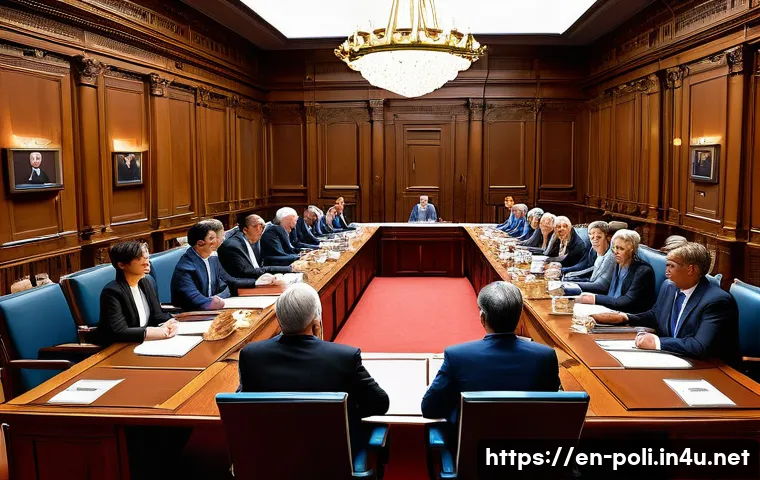
As political landscapes evolve, new movements and ideas continuously reshape the conversation, making it essential to stay informed. Whether you’re a casual observer or an active participant, knowing the basics can deepen your insight into current events and future trends.
Let’s dive in and explore the core concepts clearly and thoroughly!
How Beliefs Shape Governance and Society
The Role of Core Values in Political Choices
When we talk about governance, it all starts with values—those deeply held beliefs about what’s right and wrong, fair and unfair. These values shape how people think about authority, freedom, equality, and justice.
For example, someone who prioritizes individual freedom may support policies that limit government intervention, while another who values equality might advocate for more social programs.
Understanding these underlying values helps explain why political groups push for certain laws or resist others. In my experience, recognizing these differences makes political discussions far more meaningful and less about personal attacks.
Economic Views: From Market Freedom to Government Intervention
Economic philosophy plays a massive role in political debates. Some people believe that free markets, with minimal government interference, lead to innovation and prosperity.
Others argue that without regulation, markets can become unfair and harmful to vulnerable groups. This tension influences everything from taxation to healthcare policy.
From what I’ve observed, these economic stances often reflect one’s broader worldview—whether they lean more individualistic or collectivist. The complexity here is fascinating because it’s not just about numbers but about what kind of society people want to build.
The Social Fabric: Tradition Versus Progress
Social values often revolve around how societies should evolve. Traditionalists may emphasize preserving established customs, cultural norms, or religious beliefs, viewing them as the foundation of social order.
On the other hand, progressives push for reforms that promote inclusivity, diversity, and new ways of thinking about identity and rights. From personal conversations with friends and colleagues, it’s clear these debates are deeply emotional because they touch on identity and belonging.
This is why political conversations about social issues can sometimes feel like battles for the soul of a community.
Understanding Party Dynamics and Their Impact
Why Parties Exist: Organizing Ideas and Power
Political parties serve as vehicles for organizing political ideas and mobilizing voters. They help translate broad ideologies into practical policies and electoral platforms.
Parties also create a sense of identity and community for their supporters. Over time, parties may evolve or splinter as new issues emerge or societal values shift.
From my experience following elections, watching these shifts gives a real-time view of how societies respond to change. It’s like a living history lesson unfolding before your eyes.
Coalitions and Compromises: The Art of Political Negotiation
No party operates in isolation, especially in systems with multiple parties. Coalition-building is often necessary to govern effectively, requiring negotiation and compromise.
This process can be frustrating because it sometimes means diluting core principles to achieve broader goals. Yet, it also showcases the practical side of politics—balancing ideals with reality.
I’ve noticed that understanding this give-and-take helps reduce cynicism about political “flip-flopping,” revealing it as part of the democratic process.
New Movements and Emerging Voices
The political landscape is never static. New parties and movements frequently arise, often fueled by younger generations or underrepresented groups. These newcomers challenge established parties by focusing on issues like climate change, social justice, or digital privacy.
Observing these trends has taught me that political engagement is dynamic and that fresh ideas can disrupt the status quo in powerful ways. This ongoing renewal is essential for a healthy democracy because it keeps conversations relevant and inclusive.
Comparing Political Approaches: A Snapshot
| Aspect | Individual Freedom Focus | Collective Welfare Focus | Traditional Social Values | Progressive Social Values |
|---|---|---|---|---|
| Government Role | Minimal intervention | Active regulation and social programs | Preserve customs and norms | Promote inclusivity and reform |
| Economic Policy | Free market capitalism | Mixed economy with safety nets | Support traditional family and community structures | Expand rights and protections for minorities |
| Social Change | Maintain status quo for stability | Address inequalities actively | Resist rapid change | Encourage innovation and diversity |
| Typical Party Examples | Libertarian, Conservative | Social Democratic, Progressive | Conservative, Religious parties | Green, Social Justice movements |
The Influence of Historical Context on Political Thought
Legacy of Revolutions and Reform Movements
History shapes political ideologies more than we might realize. Revolutions, wars, and reform movements have left lasting marks on how societies view authority and rights.
For instance, the ideas born from the Enlightenment still influence modern liberal democracies, emphasizing individual liberties and rule of law. From studying history, I’ve come to appreciate how these events create a framework that either encourages or limits political possibilities in different countries.
Economic Crises and Shifts in Public Opinion
Economic downturns often trigger shifts in political ideology. During tough times, people may become more open to government intervention or alternative economic models.
The Great Depression, for example, led to the rise of social welfare policies worldwide. Living through the 2008 financial crisis, I saw firsthand how economic anxiety reshaped political debates and voter behavior.
These shifts highlight how practical realities can override ideological purity.
Cultural Movements and Identity Politics
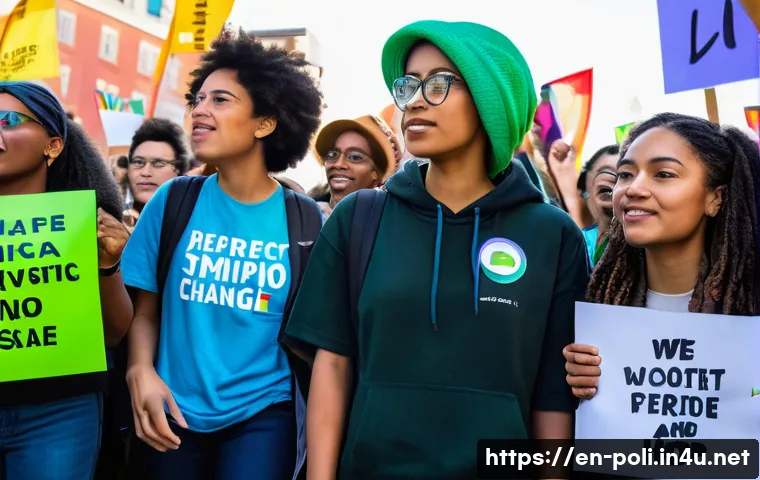
Cultural movements advocating for civil rights, gender equality, and LGBTQ+ recognition have profoundly influenced political agendas. These movements challenge traditional power structures and demand new frameworks for inclusion.
From personal involvement in community activism, I’ve witnessed how these movements energize political participation and force mainstream parties to adapt or risk losing relevance.
Media’s Role in Shaping Political Perspectives
The Power of Framing and Narrative
Media outlets don’t just report facts; they frame stories in ways that influence public perception. The choice of language, what gets emphasized or omitted, can subtly shape opinions.
I’ve noticed that understanding media bias and narrative framing is crucial to critically assessing political information. It’s like tuning a radio: knowing the source helps you interpret what you hear more accurately.
Social Media’s Double-Edged Sword
Social media platforms have revolutionized political engagement by providing direct channels for communication and mobilization. However, they also contribute to echo chambers and misinformation.
From my own experience scrolling through social feeds, it’s easy to get trapped in biased bubbles. Learning to diversify sources and verify facts is an essential skill in today’s digital age.
Citizen Journalism and Grassroots Reporting
The rise of citizen journalism has democratized information sharing, allowing ordinary people to report events and perspectives that mainstream media might overlook.
This has empowered marginalized voices and fostered greater transparency. Being part of online communities, I’ve seen how grassroots reporting can influence political discourse and even policy decisions, though it also requires careful evaluation to separate fact from opinion.
The Global Context: Political Ideologies Beyond Borders
Comparing Democratic Models Worldwide
Democracies take many forms, from parliamentary systems to presidential republics, each with unique mechanisms for checks and balances. Exploring these differences reveals how local culture and history shape political institutions.
Traveling and reading about various countries, I’ve learned that no single model fits all—each adapts to its context, highlighting the diversity of democratic governance.
The Rise of Populism and Nationalism
Recent years have seen a surge in populist and nationalist movements, often fueled by economic anxiety and cultural fears. These movements challenge traditional elites and promote a return to perceived national greatness.
Observing global news, it’s clear this trend affects international relations and domestic politics alike, raising questions about globalization’s future and the balance between identity and inclusion.
International Cooperation Versus Sovereignty
Global challenges like climate change, pandemics, and economic interdependence require cooperation beyond borders. However, this often conflicts with national sovereignty and local interests.
I find this tension fascinating because it underscores the complexity of modern governance—balancing local autonomy with global responsibility is one of the defining political challenges today.
글을 마치며
Beliefs deeply influence how societies govern themselves and interact. From core values to economic views, these convictions shape political choices and social dynamics. Understanding the complexity behind these beliefs helps us engage more thoughtfully in political conversations. Recognizing the evolving nature of parties, media, and global trends also reminds us that politics is a living, breathing process that reflects our shared human experience.
알아두면 쓸모 있는 정보
1. Core values act as the foundation for political preferences, influencing attitudes toward freedom, equality, and justice.
2. Economic perspectives often reveal broader worldviews, highlighting tensions between individualism and collectivism.
3. Social debates frequently center on balancing tradition with progress, affecting community identity and inclusion.
4. Political parties and coalitions are essential for organizing ideas and governing, but require negotiation and compromise.
5. Media framing and social platforms significantly shape public opinion, making critical media literacy crucial.
중요 사항 정리
Beliefs form the backbone of governance and societal norms, guiding political ideologies and policies. Political parties reflect these beliefs but must often compromise to function effectively. Economic and social values influence policy direction, while historical context and media shape public perception. In an interconnected world, balancing national interests with global cooperation remains a key political challenge. Understanding these dynamics equips us to participate more meaningfully in democratic processes.
Frequently Asked Questions (FAQ) 📖
Q: What are the main political ideologies, and how do they differ from each other?
A: Political ideologies are sets of beliefs that guide how societies should be organized and governed. The most common ideologies include liberalism, conservatism, socialism, and libertarianism.
Liberalism generally promotes individual freedoms, equal rights, and government intervention to ensure social justice. Conservatism emphasizes tradition, social stability, and limited government interference in the economy.
Socialism focuses on reducing economic inequality through collective ownership or strong state involvement in resources and services. Libertarianism advocates for minimal government, prioritizing personal freedom and free markets.
Each ideology offers a unique lens on balancing freedom, equality, and authority, shaping policies and voter preferences differently.
Q: How do political parties reflect these ideologies in real-world politics?
A: Political parties act as vehicles for ideologies, turning abstract ideas into concrete policies and campaigns. For example, in the United States, the Democratic Party often aligns with liberal values such as social equality and environmental protection, while the Republican Party tends to embrace conservative principles like free-market capitalism and traditional social norms.
However, parties also adapt to changing social conditions and voter priorities, leading to internal debates and shifts over time. This dynamic means that understanding a party’s current platform requires looking beyond labels to their specific policy proposals and leadership styles.
Q: Why is it important for everyday people to understand political ideologies and parties?
A: Knowing political ideologies and party platforms helps individuals make informed decisions during elections and civic discussions. It clarifies why certain policies are proposed and who benefits or loses from them, which directly impacts daily life—from healthcare and education to taxes and civil rights.
Personally, I’ve found that when I grasp the underlying values driving political debates, I feel more confident engaging in conversations and choosing candidates that truly represent my views.
Plus, staying informed about evolving ideologies keeps you ahead of emerging trends, so you’re not caught off guard by sudden political shifts.