Oh, hey there, amazing readers! I’m so thrilled you’re here. If you’re anything like me, you’ve probably been feeling that subtle, yet undeniable, shift in the air lately.
It’s not just the seasons changing; it’s a global awakening to how deeply environmental policies and climate change are reshaping our world. I remember when “going green” felt like a niche concept, but now, it’s firmly at the forefront of every major conversation, from economic forecasts to our daily routines.
Honestly, it can feel a bit overwhelming, right? One minute we’re hearing about stricter emissions caps and new carbon pricing schemes making headlines, and the next we’re seeing incredible innovations in renewable energy and circular fashion taking off.
There’s this fascinating push and pull between global commitments, like those from COP29 focusing on climate finance, and the very real impacts we’re experiencing, like record-breaking temperatures and extreme weather events.
It’s no longer a distant threat; it’s a tangible reality that affects everything from our food systems to urban planning. But here’s the exciting part: with these challenges come incredible opportunities.
We’re seeing a massive shift towards mindful consumption, the rise of sustainable technologies powering our homes, and even youth leaders driving grassroots solutions that are transforming urgency into policy reality.
It’s a complex landscape, but understanding it isn’t just for policymakers; it’s for all of us who want to build a more resilient and prosperous future.
Ready to unravel the complexities and discover what truly matters for our planet’s future? Let’s dive right in!
Hey everyone! It’s truly amazing to see how much more people are tuning into the planet’s pulse these days. I mean, remember when “eco-friendly” felt like it belonged in a granola store, not boardroom discussions or our daily chats?
Now, it’s everywhere, and for good reason! The urgent need to address climate change and environmental degradation isn’t just for scientists and policymakers anymore; it’s a shared journey that touches every aspect of our lives, from the food we eat to the energy that powers our homes.
I’ve been watching this space closely, and let me tell you, the changes, innovations, and opportunities popping up are nothing short of incredible. So, let’s dig into some of the most exciting shifts happening right now that are making a real difference and offering us all a chance to build a better, more sustainable world.
Rethinking Our Footprint: The Circular Economy Revolution
I’ve personally been fascinated by the circular economy model, and it’s truly gaining steam, shifting us away from that old “take, make, dispose” mentality.
It’s about keeping resources in use for as long as possible, extracting the maximum value from them while in use, then recovering and regenerating products and materials at the end of each service life.
It’s like a giant, global upcycling project! For me, this isn’t just some abstract economic theory; it’s a practical, real-world shift that impacts everything we buy and how we think about “waste.” Imagine your old phone or t-shirt being fully repurposed instead of ending up in a landfill – that’s the dream, and we’re getting closer.
This paradigm is not only environmentally sound but also makes a lot of economic sense, reducing our dependency on new, often finite resources. Startups and established companies alike are diving headfirst into this, realizing that “waste” is really just a resource in the wrong place.
We’re seeing everything from modular electronics designed for easy repair to innovative packaging and even entire industries built around material recovery.
Transforming Waste into Value
It’s incredible to see how waste is being reimagined as a valuable resource.
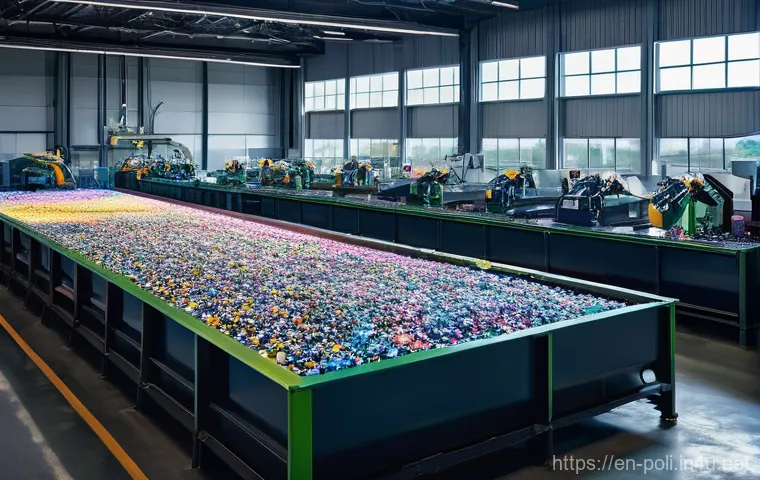
- Many companies are investing heavily in technologies that can sort and process waste with unprecedented precision, turning what was once trash into raw materials for new products. This isn’t just about simple recycling anymore; it’s about sophisticated material recovery.
- Think about those old lithium-ion batteries from electric vehicles. Instead of being discarded, they’re finding second lives in stationary energy storage solutions, giving critical materials like lithium, cobalt, and nickel a chance to be reused rather than endlessly mined.
- Even organic waste is getting a glow-up, with some startups converting it into biochar to enhance soil health or into renewable energy, showcasing how every part of the cycle can contribute.
Designing for Longevity and Reuse
My own experience tells me that when products are designed with their entire lifecycle in mind, it changes everything.
- The concept of “eco-design” means products are made to be durable, repairable, and easily upgraded, cutting down on e-waste significantly. I’ve noticed this especially in electronics, where modular components are becoming more common.
- Circular fashion is another huge area. Brands are now offering repair services, take-back programs, and upcycling workshops, encouraging us to extend the life of our clothes. This feels so much more responsible than the fast-fashion cycles we’ve been accustomed to.
Energizing Our World: Breakthroughs in Renewable Power
Oh, the energy sector! This is where I truly feel the buzzing excitement of innovation. For years, we’ve talked about renewables, but now, they’re not just a niche alternative; they’re quickly becoming the cornerstone of our global energy landscape.
It’s a game-changer that makes me feel genuinely optimistic about our future energy independence and cutting down those carbon emissions. I remember when solar panels felt like a luxury, but now, their efficiency is soaring, and costs are dropping, making them a viable, attractive option for so many homes and businesses.
It’s truly inspiring to see how quickly this field is evolving.
Solar and Wind Power’s Unstoppable Rise
The sheer scale and speed of solar and wind energy expansion are mind-blowing.
- We’re seeing incredible advancements like bifacial solar panels that capture sunlight from both sides, increasing energy output by up to 30%, which is just genius if you ask me!
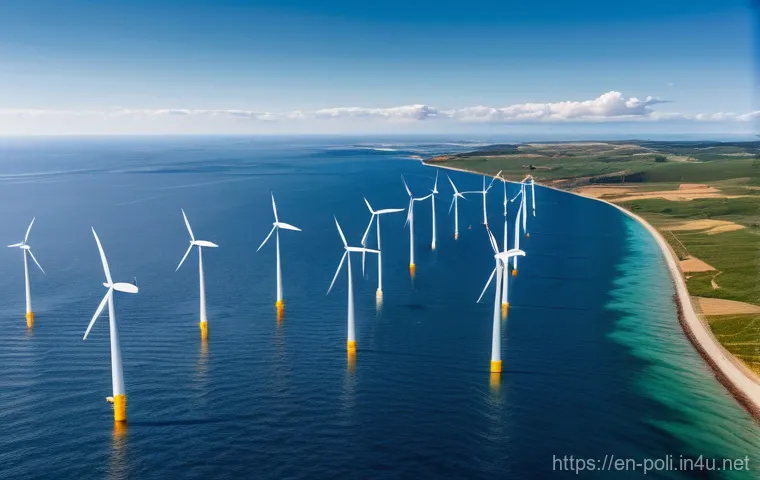
- And offshore wind farms? They’re going into deeper waters thanks to floating turbine technology. Plus, those massive, cost-effective wind turbines are designed to capture more energy even at lower wind speeds.
- What’s more, next-gen solar cells like perovskites and tandem cells are promising even higher efficiencies and lower production costs, truly democratizing clean energy.
The Critical Role of Energy Storage
This is the piece of the puzzle that makes intermittent renewables truly reliable, and I’m seeing huge progress here.
- Advanced battery technologies, like solid-state batteries and grid-scale storage solutions, are becoming widespread. They help store surplus energy when generation is high and release it when demand peaks or production dips.
- Long-duration energy storage systems (LDES) are doubling their installed capacity, which is vital for ensuring grid reliability and integrating more renewables.
- Green hydrogen, produced using renewable energy, is emerging as a powerful tool for decarbonizing heavy industries and transportation, making our energy systems truly versatile.
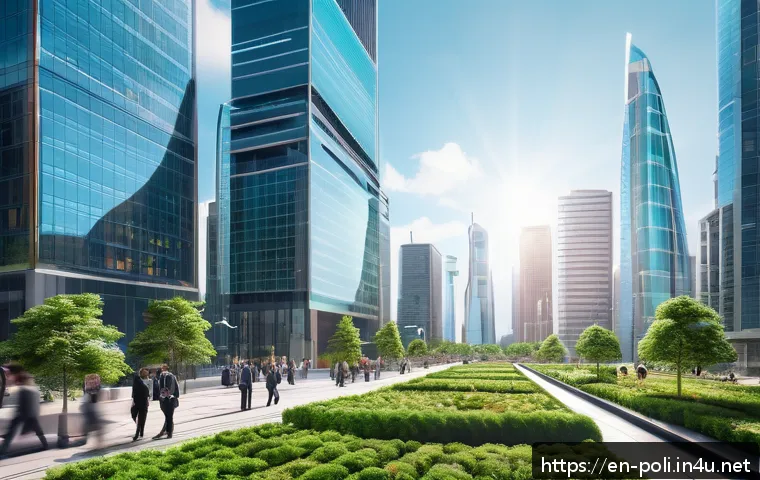
Green Cityscapes: Designing for a Resilient Tomorrow
As someone who loves exploring different cities, I’ve really noticed a growing movement towards making our urban environments more resilient and sustainable.
It’s no longer just about building more structures; it’s about integrating nature and smart design to cope with the very real impacts of climate change, like intense heatwaves and unpredictable flooding.
My experience walking through newly designed urban parks or seeing green roofs on buildings really drives home how these changes aren’t just good for the environment, but they also significantly improve our quality of life.
It’s about creating spaces where communities can thrive, even in the face of environmental challenges.
Embracing Nature-Based Solutions
I’ve seen firsthand how incorporating natural elements can make a massive difference.
- Urban forests, tree canopies, and green roofs are being strategically implemented to lower city temperatures, combat the “urban heat island” effect, and enhance biodiversity.
- Permeable pavements and bioswales are becoming more common, which are brilliant for managing stormwater and preventing floods by allowing water to be absorbed naturally rather than overwhelming drainage systems.
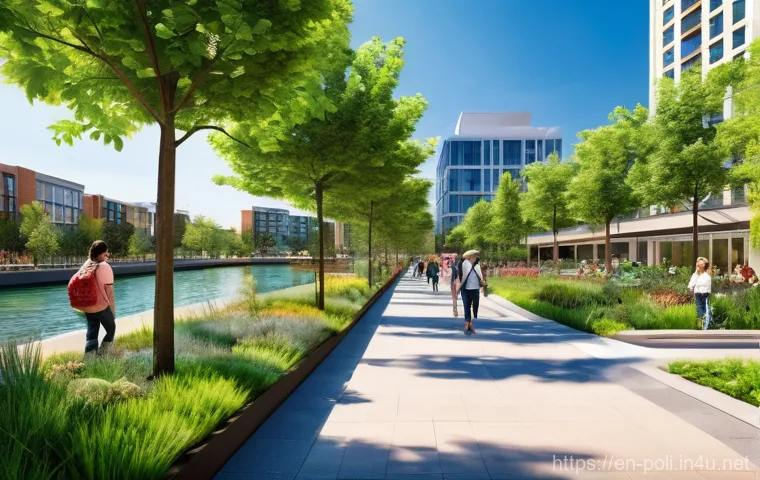
- Creating more green and blue spaces—like parks, lakes, and on-street drainage—not only helps with climate resilience but also purifies air and water, and frankly, just makes cities more pleasant places to live.
Smart Urban Planning and Infrastructure
It’s exciting to witness how cities are using advanced planning to adapt and thrive.
- Urban planners are integrating climate data and public space evaluations, using tools like GIS-based simulations to map climate risks and propose targeted interventions.
- There’s a strong push to increase urban density in a smart way, concentrating development around public transport hubs to reduce car dependency and emissions, while also revitalizing neighborhoods.
- Investing in resilient infrastructure, from reinforcing buildings to implementing flood barriers in vulnerable areas, is key to protecting urban populations and their economies from extreme weather events.
The Economic Reality: Climate Action as an Investment
Let’s be real, the economy is often at the heart of these conversations, and what I’ve learned is that addressing climate change isn’t just an expense – it’s an investment with significant returns.
I remember the days when people worried that “going green” would tank the economy, but my research and observations tell a different story. The costs of inaction are far greater, potentially shrinking global GDP dramatically in the long run.
On the flip side, embracing sustainable practices and green technologies can actually fuel economic growth, create new jobs, and open up innovative market opportunities.
It truly feels like we’re finally understanding that a healthy planet and a strong economy go hand-in-hand.
The High Cost of Inaction
When I look at the big picture, the economic risks of ignoring climate change are truly sobering.
- Studies are showing that without strong climate action, global GDP losses could be substantial, with some projections reaching as high as 40% by the end of the century in very-high emissions scenarios.
- Extreme weather events, which are becoming more frequent, disrupt supply chains, increase transportation costs, and lead to significant financial losses for industries like agriculture, tourism, and logistics. This directly impacts inflation and consumer prices, something we all feel in our wallets.
Opportunities for Growth and Innovation
But here’s the silver lining – climate action can be a huge economic driver.
- Research suggests that taking strong action to tackle the climate crisis can actually increase economic growth, with advanced economies potentially seeing a 60% increase in GDP per capita growth by 2050 from 2025 levels, and lower-income countries an even more significant 124% rise.
- The shift towards green technologies and sustainable solutions is sparking incredible innovation, leading to new industries, job creation, and investment opportunities in areas like renewable energy manufacturing, sustainable agriculture, and climate-resilient infrastructure.
| Category | Trend/Impact | Outlook for 2025+ |
|---|---|---|
| Circular Economy | Shift from linear to regenerative resource use, waste-to-value initiatives, eco-design. | Growing adoption in manufacturing, packaging, and electronics. Increased material recovery and reuse. |
| Renewable Energy | Rapid expansion of solar and wind, advanced energy storage, green hydrogen. | Expected to surpass coal as leading energy source. Higher efficiency, lower costs, and enhanced grid integration. |
| Urban Resilience | Integration of green infrastructure, climate-adaptive urban planning, smart city solutions. | More green spaces, permeable surfaces, and resilient infrastructure to combat heat and flooding. |
| Economic Impact | High costs of climate inaction vs. economic growth from green investments. | Climate action expected to boost GDP, create jobs, and foster new markets. Significant losses with inaction. |
| Consumer Behavior | Increased demand for sustainable products, mindful consumption, eco-conscious choices. | Consumers willing to pay more for sustainable goods; pressure on brands for transparency and ethical practices. |
| Policy & Governance | Evolving regulations, corporate disclosure mandates, international climate finance. | Fragmentation in US policy vs. streamlining in Europe. Increased focus on corporate sustainability strategies. |
Consumer Power: Driving the Green Marketplace
This is truly exciting to witness – us, the consumers, becoming such a powerful force for change! I’ve been tracking consumer trends for a while, and the shift towards mindful consumption is no longer a fringe movement; it’s a lifestyle revolution.
People are increasingly making conscious choices, not just with their wallets but with their entire outlook on life. It’s inspiring to see how many of us are actively seeking out sustainable brands and products, and truly holding companies accountable.
This collective power is pushing businesses to rethink their entire operations, making sustainability a core part of their strategy, not just a marketing add-on.
I feel like we’re truly entering an era where our everyday choices have a profound impact on the planet’s future.
The Rise of Conscious Purchasing
It’s clear that sustainability is a huge factor in our purchasing decisions now.
- A significant majority of consumers, myself included, are actively seeking out and are even willing to pay more for products that are environmentally friendly or sustainably produced. This is a massive shift, showing that our values are truly influencing the market.
- Movements like “Project Pan” (using up beauty products entirely before buying new ones) and “No Buy” challenges are gaining traction, encouraging us to reassess our consumption habits and embrace intentional living. I’ve personally tried to be more mindful of this, and it feels really empowering.
Holding Brands Accountable
We’re no longer just passively buying; we’re demanding more from companies.
- Consumers are more aware than ever, and poor environmental practices can really alienate us from a brand. This means companies need to be genuinely transparent and integrate sustainability into their core operations, not just through “greenwashing.”
- There’s a clear and growing demand for accessible, credible sustainable options, with many consumers wanting to buy green products but struggling to find them or afford them. This presents a huge opportunity for businesses to innovate and meet this unmet demand.
Policy & Progress: Navigating a Complex Regulatory Landscape
Okay, let’s talk policy – because let’s face it, that’s where a lot of the big structural changes happen. I’ve been watching the policy landscape pretty closely, and it’s a fascinating, albeit sometimes a bit confusing, picture.
We’re seeing some really ambitious commitments on the global stage, like the new climate finance goals set at COP29, which gives me hope. But then, you also see regional differences, with some areas accelerating their green policies while others face significant pushback.
It reminds me that progress isn’t always linear, but the overall momentum towards a more sustainable framework is undeniable. This push and pull means businesses and individuals need to stay informed and agile to navigate these evolving requirements.
Global Commitments and Regional Variations
It’s a truly global effort, but the implementation looks different depending on where you are.
- Internationally, there’s a strong focus on climate finance, with the New Collective Quantified Goal on Climate Finance aiming to distribute hundreds of billions to developing nations annually by 2035. This is a crucial step for leveling the playing field.
- In places like Europe, we’re seeing continuous efforts to streamline corporate sustainability reporting directives, pushing companies towards clearer and more comprehensive disclosures, even as they adapt to address administrative burdens.
- However, the landscape in North America can be a bit more fragmented. While some states are accelerating their own ESG mandates, federal policies might be shifting in different directions, creating a complex web of requirements for businesses.
Corporate Accountability and Innovation
Businesses are definitely feeling the heat, but in a good way!
- More and more companies are adopting robust corporate sustainability strategies, setting science-based targets for net-zero ambitions, and fully accounting for their emissions across all scopes. This is becoming essential for competitiveness and investor confidence.
- New regulations, especially around supply chain transparency and deforestation-free sourcing, are driving deeper scrutiny into how products are made and where materials come from, which I think is a fantastic development.
- AI and other technologies are becoming indispensable for sustainability efforts, helping companies automate complex reporting, improve data quality, and gain actionable insights to meet their environmental goals.
Youth at the Helm: Igniting the Climate Movement
If there’s one thing that truly gives me immense hope, it’s seeing the incredible passion and dedication of young people in the climate movement. I remember being a teenager and feeling passionately about causes, but today’s youth are taking it to an entirely new level.
They’re not just hoping for change; they’re actively demanding it, innovating solutions, and holding generations like mine accountable. It’s a powerful, transformative force that’s reshaping how we think about environmental policy and action.
Their fresh perspectives and tireless advocacy are absolutely essential, and frankly, I find their energy infectious!
Amplifying Voices and Driving Advocacy
Youth activists are masterfully using modern tools to make their voices heard globally.
- From organizing massive climate strikes like “Fridays for Future” to utilizing social media platforms to disseminate information and build solidarity, young people are effectively influencing public opinion and pressing policymakers for stronger environmental regulations.
- They’re not just protesting; they’re engaging in direct advocacy, meeting with elected officials, participating in public hearings, and even suing governments to demand accountability on climate issues. This direct engagement is so crucial for policy change.
Innovation from the Ground Up
Beyond advocacy, young people are actively creating practical solutions.
- I’ve seen inspiring examples of youth-led initiatives promoting circular economy principles, advancing sustainable agriculture through community gardens, and even developing clean energy solutions at a grassroots level. They’re turning urgency into tangible action.
- Many young activists are also pushing for environmental education in schools and universities, advocating for curriculum reforms that integrate sustainability principles and empower a new generation of environmental stewards. This long-term vision is so important.
The Interconnected Web: Biodiversity and Water Stewardship
You know, sometimes in the rush to talk about carbon emissions and renewable energy, we might lose sight of other equally critical elements of our planet’s health.
I’ve really come to understand that everything is interconnected – our climate, our water, and the incredible diversity of life around us. Lately, I’ve noticed a significant increase in conversations around biodiversity and water stewardship, and honestly, it’s about time!
It’s not just about protecting pretty landscapes; it’s about the fundamental systems that sustain all life, including our own. My personal journey into sustainable living has really opened my eyes to how these issues impact our daily lives, from the food we eat to the stability of our local ecosystems.
Protecting Our Precious Water Resources
Water scarcity is a growing concern, and I’m seeing some incredible efforts to address it.
- Businesses are increasingly focusing on reducing water waste as a core part of their sustainability strategies, implementing circular water systems to recycle and reuse water resources within their operations.
- With stricter water use regulations and rising prices, technologies like AI-driven predictive analytics are being leveraged to optimize water distribution and detect leaks in real-time, making our water systems much more efficient.
- Even in agriculture, IoT-enabled smart irrigation systems are making a huge difference, adapting to weather and soil conditions to determine optimal irrigation levels, which saves vast amounts of water.
Safeguarding Biodiversity and Natural Capital
Biodiversity isn’t just a buzzword; it’s the very fabric of our planet’s resilience.
- Companies are broadening their understanding of biodiversity and its deep links to climate change, moving beyond just net-zero carbon targets to embrace “nature-positive” strategies. This means actively enhancing natural capital, not just minimizing harm.
- The demand for “green talent” is outpacing supply, showing that there’s a real need for professionals who understand how to integrate biodiversity into business strategies and manage nature-related risks.
- This involves things like watershed-level assessments, setting science-based water targets, and collaborating with local stakeholders to manage shared resources, all crucial for long-term operational continuity and ecological health.
Scaling Up Solutions: Corporate Sustainability in Action
It’s easy to feel like individual actions aren’t enough, but when big businesses commit to sustainability, that’s when you see truly transformative change.
What I’ve observed in the corporate world lately is a profound shift from isolated, fragmented “green” initiatives to a more integrated, strategic approach.
Companies are realizing that sustainability isn’t just good PR; it’s essential for long-term resilience, competitive advantage, and attracting top talent.
This means embedding environmental, social, and governance (ESG) priorities into their core operations, not just as a side project. I personally find it really encouraging when I see major players making genuine commitments, because that’s when we start to see solutions scale and make a real impact on a global level.
Integrating ESG into Business DNA
True corporate sustainability goes far beyond simple compliance; it’s about weaving it into the very fabric of the organization.
- Modern sustainability strategies in 2025 require a new level of integration, accountability, and ambition. This means aligning with international frameworks and embedding sustainability into corporate governance, with boards having clear oversight of ESG risks and opportunities.
- We’re seeing executive compensation increasingly tied to sustainability metrics, which is a powerful incentive for leaders to prioritize these goals. This shows a real shift in how value is defined within companies.
- Materiality assessments – figuring out what truly matters most to a business and its stakeholders – are becoming crucial. This ensures sustainability goals are grounded in real impact, not just superficial efforts or “greenwashing.”
Innovation and Capability Building
To stay competitive, businesses are investing in the future of sustainable solutions.
- Companies are continuously building internal capabilities to deliver on sustainability goals, investing in employee training, cross-functional collaboration, and sustainability literacy across all levels. It’s about empowering everyone to be part of the solution.
- Fostering a culture of innovation means leveraging technology, data, and partnerships to create scalable solutions that respond to evolving regulatory and market demands. This includes everything from green cloud computing to AI for energy efficiency.
- The shift is also towards setting science-based and net-positive goals – where businesses aim to give more than they take from the planet, rather than just minimizing their negative impact. This kind of ambition is what we truly need.
글을 마치며
Wow, what a journey we’ve been on today, exploring the incredible shifts happening all around us towards a more sustainable and resilient future! From the ingenious circular economy models to the exhilarating breakthroughs in renewable energy, the transformation is truly palpable. It’s been so inspiring to dive into how our cities are becoming greener, how consumer choices are shaping markets, and how policies are evolving to support this vital transition. My biggest takeaway from all of this is a profound sense of hope and empowerment. Each one of us, through our decisions and our voices, is playing a crucial role in building this better world, and that’s a powerful thought to hold onto.
알아두면 쓸모 있는 정보
Here are some actionable insights and useful tips that I’ve picked up and want to share, helping you navigate this green revolution and make an even bigger impact:
1. Embrace Circularity in Your Daily Life: Think beyond just recycling! Before buying something new, ask yourself if you can borrow, repair, or buy secondhand. When you do buy, look for products designed for durability, repairability, and those with clear end-of-life plans. Supporting brands committed to circularity sends a strong message and reduces your overall footprint. My personal experience with repairing beloved items has not only saved money but also fostered a greater appreciation for craftsmanship.
2. Investigate Your Energy Options: Even if you can’t install solar panels on your own roof, many utility companies offer green energy programs where you can opt to have your electricity sourced from renewables. Look into community solar projects or simply advocate for stronger renewable energy policies in your local area. Every bit of demand for clean energy helps accelerate the shift away from fossil fuels, and I’ve seen how powerful collective action can be in pushing these initiatives forward.
3. Support Green Urban Initiatives: Get involved with local environmental groups working on urban greening projects, like planting trees or creating community gardens. These efforts not only beautify our surroundings but also mitigate climate impacts like heat islands and stormwater runoff. Even advocating for more pedestrian and cycling infrastructure in your town contributes to a healthier, more sustainable cityscape. I’ve found that participating in these local efforts truly strengthens community bonds.
4. Leverage Your Consumer Power Wisely: Your purchasing decisions are incredibly influential. Prioritize companies with genuine sustainability commitments and transparent supply chains, not just those with “greenwashed” marketing. Research brands using tools like B Corp certification or sustainability reports. Don’t be afraid to ask questions and demand better from the companies you support – they listen! I’ve seen firsthand how a wave of consumer demand can push even large corporations to change their practices.
5. Engage with Policy and Advocacy: While individual actions are vital, systemic change often comes from policy. Stay informed about climate and environmental legislation in your region and globally. Consider writing to your elected officials, joining advocacy groups, or participating in peaceful demonstrations. Young people especially are showing us the power of collective voice in demanding accountability and driving meaningful political action. Your voice matters more than you think in shaping the world we want to live in.
중요 사항 정리
To wrap things up, remember that the journey towards a sustainable future is multifaceted and dynamic. We’re witnessing a powerful shift towards circular economies and rapid renewable energy adoption, creating significant economic opportunities and fostering resilient urban environments. Crucially, consumer demand is accelerating this transition, while evolving policies and the passionate advocacy of youth are driving systemic change. Protecting biodiversity and ensuring water stewardship are foundational elements of this interconnected effort, with corporations increasingly integrating these principles into their core strategies. It’s an exciting time to be part of the solution!
Frequently Asked Questions (FAQ) 📖
Q: uestions (F
A: Q)
Q: With all the talk about new environmental policies, which ones are truly making a difference right now, and how do they impact us directly?
Oh, this is such a fantastic question, and one I get asked all the time! From my perspective, watching how things unfold, the policies really moving the needle fall into a few key areas. First up, we’re seeing a massive global push for carbon pricing mechanisms – think carbon taxes or cap-and-trade systems. I mean, it’s a bit like giving pollution a price tag, right? Businesses and industries are suddenly finding it much more economical to invest in cleaner tech because it actually saves them money in the long run. Personally, I’ve noticed this subtly trickling down to consumers; companies are often more transparent about their carbon footprint, and you might see the cost of energy reflecting these changes, pushing us towards more efficient choices. Then there are the incredible renewable energy incentives – tax credits, grants, and even mandates for utilities to source a certain percentage of their power from wind or solar. It’s truly exhilarating to see solar panels pop up on more rooftops and wind farms becoming a common sight. For us, this means a cleaner grid and, eventually, more stable energy prices.
A: nd let’s not forget the increasing regulations around waste and single-use plastics. I’ve personally felt the shift with fewer plastic bags at the grocery store and more options for refillable products.
It truly feels like a collective effort, driven by these policies, to steer our everyday lives toward a more sustainable path.
Q: It feels like climate change is happening so fast. What are some of the most visible and surprising ways it’s already changing our everyday lives here in our communities?
You are absolutely spot on; it does feel like things are accelerating, doesn’t it? It’s no longer just a distant scientific projection; it’s palpable. One of the most striking things I’ve noticed, and I bet you have too, is the erratic weather. I remember a time when seasons felt more predictable, but now, we’re getting those record-breaking heatwaves that stretch on for weeks, followed by unseasonal cold snaps, or sudden, intense downpours that cause localized flooding. It’s wild! For many of us, this translates to higher energy bills because we’re running
A: C more often, or even dealing with property damage from extreme weather events. Another big one, which I honestly didn’t fully grasp until recently, is the impact on our food systems.
When I see produce prices fluctuating wildly or hear about crop failures in different regions, it really hits home that our food supply is vulnerable.
I’ve even seen local farmers having to adapt their planting schedules because the growing seasons have shifted so dramatically. And if you live near the coast, you’ve probably witnessed things like increased coastal erosion or higher tides becoming more common.
It’s truly eye-opening how these large-scale changes are quietly, yet profoundly, reshaping the rhythm of our daily lives and communities.
Q: I want to do more, but it can feel overwhelming. What are some practical, impactful steps an average person can take to contribute to a more sustainable future without completely overhauling their life?
Oh, my friend, you’ve just articulated exactly how so many of us feel! It’s easy to get overwhelmed by the sheer scale of it all. But here’s my honest take: small, consistent actions truly add up, and you absolutely don’t need to turn your life upside down. One of the easiest and most impactful shifts I’ve personally made is becoming a more mindful consumer. Before I buy something new, I always ask myself: “Do I truly need this?” and “Can I find a pre-owned version or something made more sustainably?” It’s amazing how much less waste you generate and how much money you save!
A: nother fantastic step is to really focus on reducing food waste. I started meal planning and getting creative with leftovers, and honestly, it’s been a game-changer for my wallet and the environment.
Also, simple things like optimizing your home’s energy use – unplugging chargers, using LED bulbs, adjusting your thermostat by a degree or two – seem minor, but collectively, they make a huge difference.
And here’s a fun one: embrace your local community! Supporting local businesses, farmers’ markets, and even community clean-up efforts not only reduces your carbon footprint but also builds a stronger, more resilient neighborhood.
Remember, every little bit helps, and it’s about progress, not perfection. Just pick one or two things that feel doable for you and start there!